Flexible Intermediate Bulk Containers (FIBCs), or FIBC bulk bags, are now important for many industries that move and store materials that are of large volumes. You see them in agriculture, chemicals, food, construction, and more. They are strong enough to carry a lot at once and are easy to handle.
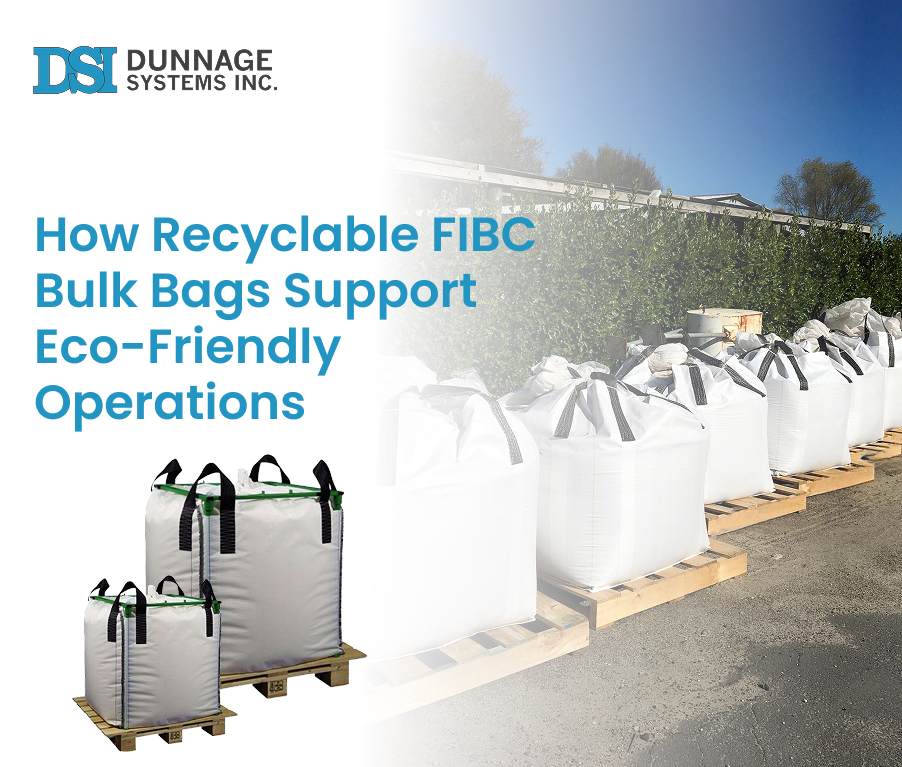
As more companies seek to reduce their environmental impact, recyclable Industrial bulk bags are becoming a simple, practical option. They help reduce packaging waste, lower the use of single‑use materials, and support recycling systems that keep resources in use for longer. And teams do not need to change the way they work.
In this blog, we are going to talk about bulk FIBC bags that help to make everyday operations cleaner and eco‑friendly.
Why Eco‑Friendly Packaging Is Now Essential for Modern Operations
Eco‑friendly packaging is no longer “nice to have.” It is becoming a basic requirement for modern businesses to run. Companies are facing more rules on waste, stricter ESG reporting requirements, and global pressure to meet sustainability goals. And that pressure is only growing.
Many industries are also shifting toward low‑waste logistics and circular‑economy systems. This means they want packaging that can be reused or recycled. Recyclable FIBC bulk bags fit well with this shift because they reduce waste without changing how teams work.
Using eco‑friendly packaging also helps reduce industrial waste and builds customers’ trust. People want to support companies that take responsibility for their environmental impact. Even small changes in packaging can affect how a brand is perceived.
Read our detailed blog on: What Are FIBC Bulk Bags? Types and Benefits
What Makes FIBC Bulk Bags a Sustainable Packaging Choice?
Understanding What FIBCs Are
Flexible Intermediate Bulk Containers (FIBCs) are large, woven bags used to transport and store bulk materials. People also call them bulk bags, bulk FIBC bags, or PP jumbo bags. They are common in industries that handle heavy or loose products like grains, powders, chemicals, and construction materials.
What They Are Made Of
Most FIBCs are made from recyclable polypropylene. It is a strong plastic resin that can be reused in new products if you handle it through proper recycling channels. The fabric offers strength, and many bags include UV‑stabilized fibers, so they help in outdoor conditions. Some designs also use liners to protect sensitive materials.
- Recyclable polypropylene
- Woven industrial fabrics
- UV‑stabilized fibers
These materials make the bags durable and reusable, reducing waste. It also supports more sustainable handling practices.
Where They Fit in Operations
FIBCs are important in industrial packaging. They are also widely used in material handling and bulk material transport. Because they can be reused and recycled, they help companies reduce single‑use packaging and lower their overall environmental impact.
Eco‑Friendly and Sustainable Nature of Bulk Bags
FIBC bulk bags are designed for reuse, not disposal after a single load. Because of this, they help companies cut waste and run operations in a more responsible way.
Most bulk bags are made from recyclable polypropylene. When collected and processed properly, this material can go back into the recycling stream instead of ending up as plastic waste. One of the biggest advantages is reuse. The same bag can handle multiple trips, so you need fewer bags overall and send less material to the landfill. These bags also work well in a circular system. They can be cleaned and repaired if damaged.
Compared with single‑use sacks, bulk bags use less material over time. You are replacing many disposable units with one durable bag that lasts longer.
Comparison | FIBC bulk bags | Single‑use sacks |
Material use over time | One strong bag replaces many single‑use sacks | Each load needs a new sack |
Waste generation | Creates less waste because bags are reused | Creates more waste due to constant disposal |
End‑of‑life impact | It can be recycled when handled the right way | Often thrown away and sent to a landfill |
Overall sustainability | Supports reuse and fits into circular systems | One‑and‑done model with higher material loss |
Want to reduce damage claims? Read our essential guide: How to Choose the Right Dunnage for Safe and Secure Product Shipping
How Recyclable FIBC Bulk Bags Support Eco‑Friendly Operations
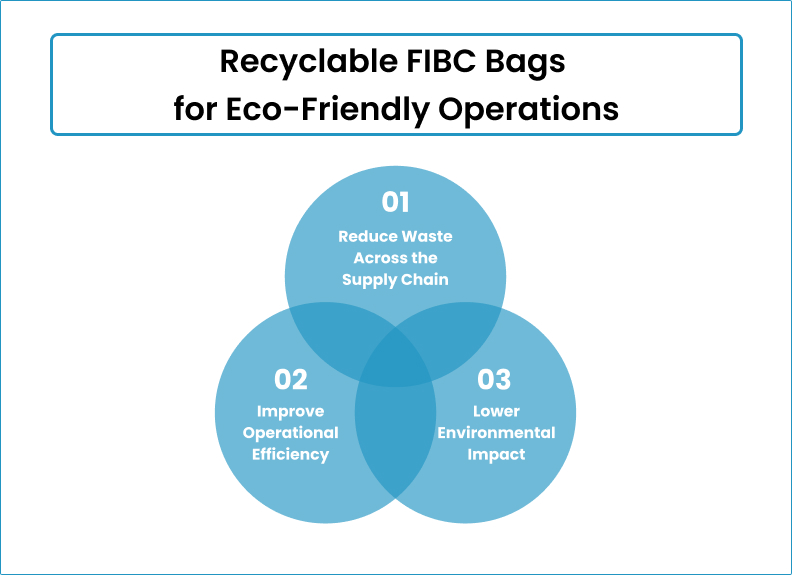
Reduce Waste Across the Supply Chain
FIBCs offer a simple way to cut waste across the supply chain. Companies that want waste reduction and sustainable operations, these bags are the best option to choose.
- Reusability makes a clear difference. The same bag can be used many times, so fewer bags end up in the landfill.
- These bags also support zero‑waste goals. Because they stay in circulation longer, teams throw away less packaging and keep materials in use.
- One bulk FIBC bag can replace many single‑use sacks. That means less packaging to buy, handle, and eventually dispose of.
Improve Operational Efficiency
FIBCs can help daily operations run smoothly. They are easy to handle, take less time to move, and support more efficient supply chain optimization, industrial logistics, and material flow efficiency.
- Filling and emptying go faster. The bags are made for quick lifting and loading/unloading, so teams spend less time on each batch.
- This also affects labor. When handling is simpler and quicker, you need fewer hours to move the same amount of material.
- In the warehouse, industrial bulk bags use space better than many small containers. They stack neatly and free up room for other tasks or inventory.
Lower Environmental Impact
Using FIBCs can help decrease the footprint of your packaging and transport.
- They are built to stay in use longer, so you don’t need to pull as much plastic into your system over time.
- Because these bags are lightweight compared with many rigid containers, each load weighs less. And lighter loads usually mean lower fuel use and fewer emissions during transport.
SCG Packaging Sustainability Report 2024 shows that switching from single‑use sacks to reusable FIBC bulk bags can lead to meaningful CO₂ savings.
Cost Savings With Sustainable Packaging
Direct Cost Savings
FIBCs can help cut everyday costs in a few clear ways. The teams looking to improve cost efficiency and get better packaging ROI, these custom bulk bags are the best option to choose.
- You buy replacements less often. Because each bag can handle many shipments, your repurchasing costs go down over time.
- You also throw away less. Fewer discarded bags mean lower waste management and disposal costs.
- Because the bags are durable, they are less likely to tear or fail. That helps protect your product and reduces loss from spills or damage.
Operational & Long‑Term Savings
FIBCs do not just make daily work easier. They also help smooth out costs over time. When storage, handling, and transport run cleaner and simpler, you spend less on the small, ongoing expenses that usually get ignored.
Optimized storage and transport: Bulk bags stack well, move easily, and take up less space than many smaller containers. That means better use of your warehouse and, often, fewer trips or loads during transport.
How to Implement Recyclable FIBC Bulk Bags in Your Eco‑Friendly Strategy
Step‑by‑Step Adoption Plan
Shifting from single‑use packaging to FIBC bulk bags is easier when you break it into clear steps.
- Audit current packaging waste: Track how much packaging you use and throw away today. Note the materials, volumes, and costs. Then identify where most of the waste is coming from.
- Identify materials suited for industrial bulk bags: List the products that can be safely stored and moved in bulk bags. Start with steady and high‑volume materials where a change will make a visible difference.
- Partner with a reliable FIBC bag manufacturer: Choose a supplier who understands your products and load limits. Make sure they know how your handling setup works. They should help you pick the right bag design and safety rating. They should also guide you on a clear reuse plan.
- Set up a reuse + recycling loop: Decide how the bags will be collected, checked, cleaned, and reused. Then plan how they will be recycled at the end of their life as part of your reuse loop. Make sure operations, warehouse, and logistics teams follow the same routine. Keep everyone on the same page.
Internal Training & Safety
Good internal training keeps your team safe and makes sure bulk bags are used the same way every day.
- Proper handling of FIBCs: Teach your team how to lift, move, fill, and empty bags safely. The goal is simple: protect people and protect the product.
- Inspection and reuse guidelines: Show staff how to check each bag before reuse. Look for wear, damage, or loose seams. Remove the bag from service if you see any sign of a problem.
- Storage best practices: Store bags in a clean and dry area that is away from sharp edges and direct sun if possible. Stack and secure them in a way that protects the fabric and keeps the workspace safe to move around.
Measuring Impact
Once your bulk‑bag program is running, it is worth checking if it is actually helping. A few simple numbers can tell you a lot.
- Track waste reduction: Measure how much packaging waste you generate now compared to before. Even small cuts in waste matter over time.
- Monitor cost savings: Look at changes in repurchasing, handling, and disposal costs. This gives you a clear view of the money you save.
- Report ESG improvements: Share reductions in waste, emissions, and resource use in your ESG updates. It keeps your team and stakeholders clear on the impact.
Final Thoughts: Why Eco‑Friendly FIBC Bulk Bags Are a Smart Move for Sustainable Companies
Eco‑friendly FIBC bulk bags are the best choice for any company that wants to cut waste without complicating operations. Reusable bags replace single‑use packaging and last longer. Over time, this also lowers disposal costs and makes your packaging spend more stable and predictable. You do not have to change everything on day one. Starting small and improving step by step is often the most realistic way to go.
Dunnage Systems Inc. offers FIBC bulk bags built for strength and reliable handling in real‑world conditions. The bags are made to carry heavy loads safely while still being easy to move and store. They are used across construction, agriculture, and industrial applications, and can handle products from fine powders to bulk granules. You can choose from U‑panel, tubular, baffled, and 4‑panel designs, so the bag fits your material and workflow instead of the other way around. And because these bags are reusable and designed for a long service life, they support safer storage and cleaner transport.
Ready to switch to eco‑friendly bulk bag solutions? Talk to an expert from Dunnage Systems Inc. and see what works for your operation.