
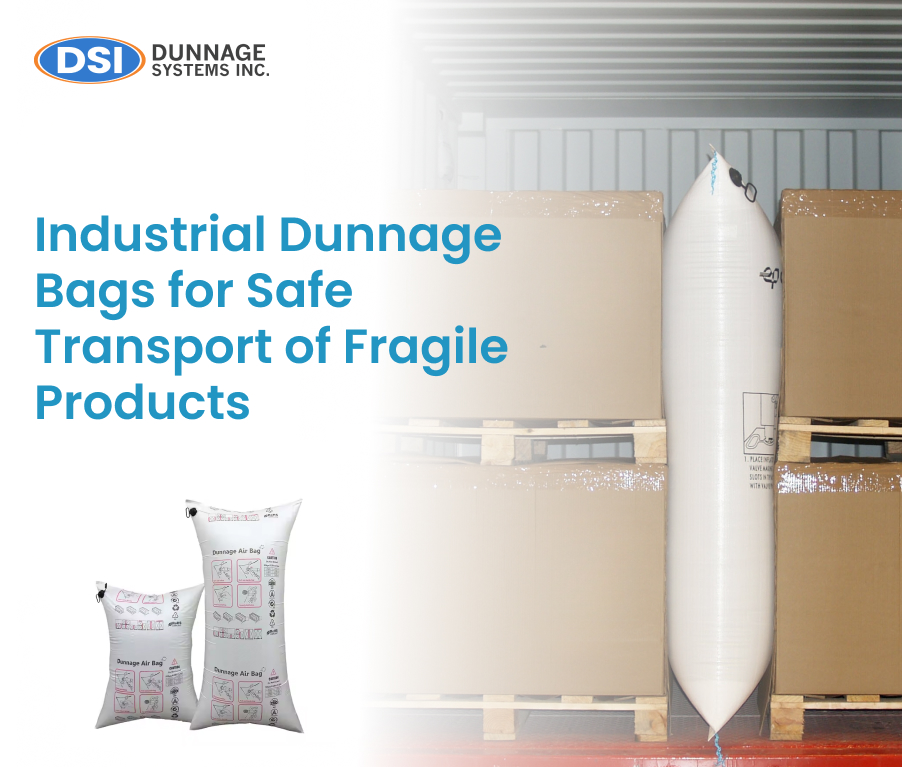
Every year, fragile products are damaged during shipping, costing companies billions. It happens because the cargo moves around, vibrates, or piles up incorrectly in trucks, trains, or containers, and items get damaged. Dunnage bags step in here. These inflatable cushions- sometimes called air dunnage bags or shipping airbags- lock cargo in place and help stop breakage.
They are simple, cost-effective, and you do not have to read instructions to understand them. Industries rely on them for load securement, especially when they are moving heavy or delicate cargo. Lately, more companies go for polywoven dunnage bags. They are tough, reusable, and a better choice for the environment.
So what are industrial dunnage bags? Here is a look at what they are, how they work, and why they have become a must-have for today’s supply chains.
What is a Dunnage Bag?
Definition & Purpose
A dunnage bag is a durable air-filled cushion stuck between stacks of cargo. Its job is simple: fill up the empty spaces so nothing slides around or crashes into something else while in transit. Basically, it stops your items from being damaged, which means fewer broken goods and reduced hassle for everyone involved.
It is similar to a cushioning layer. Rather than struggling with bulky wooden blocks or adjusting an endless number of straps, you simply inflate one of these bags and secure it in position. They are included in the group of packaging materials designed to protect shipments until they reach their destination.
Types of Dunnage Bags
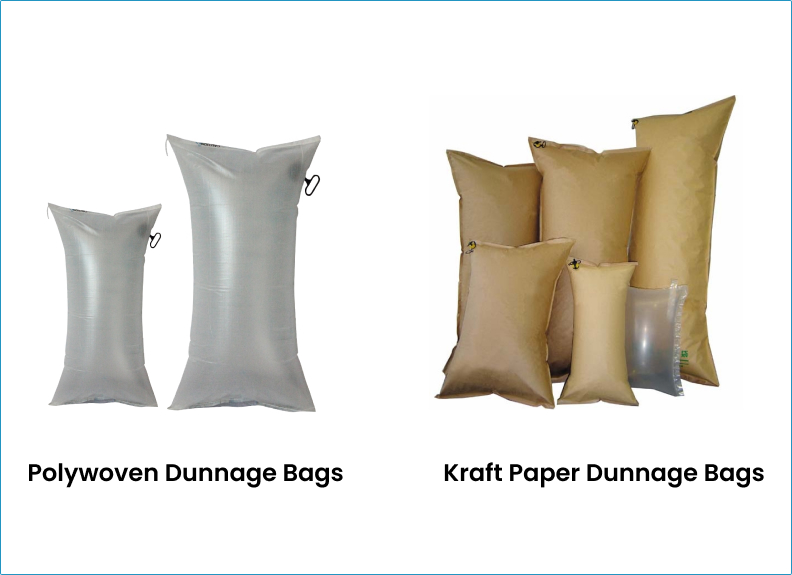
Here is a brief overview of the different types:
- Polywoven Dunnage Bags
Made from tough woven material, these are built to last- perfect for industries that move a lot of heavy or breakable stuff.
- Kraft Paper Dunnage Bags
Light-weight and affordable, these work for lighter shipments or situations where you do not need heavy-duty protection. Consumers usually use them once and discard them.
Why is it important which option to choose?
It really depends on what you are shipping. If you have electronics or glass to ship, you want additional strength from polywoven dunnage bags. For lighter things, kraft paper bags work well. The right bag prevents damage, saves money, and keeps things running smoothly. Even a small choice makes a big difference.
Are you looking for smarter ways to prevent cargo damage and cut down on expensive shipping losses? Read on: how How Dunnage Bags Reduce Product Damage and Shipping Costs
Why Load Securement Matters
The Cost of Cargo Damage
Cargo damage consumes higher expenses in logistics than many realize. Every year, companies around the world lose over $50 billion solely due to products being damaged during shipping. Fragile items suffer the most damage- when loads shift, things crack, dent, or shatter, although the shift is barely detectable inside a truck, railcar, or container.
But the damage does not stop with just replacing broken products. Companies face shipping delays, frustrated customers, and bigger insurance claims. In a tough market, that kind of trouble can damage a company’s reputation just as much as its profitability.
Dunnage Bags vs. Traditional Methods
For years, shippers relied on wood bracing, foam blocks, or straps to keep cargo in place. Sure, they work, but each method comes with its own problems:
- Wood is heavy, expensive, and commonly discarded after just one journey.
- Foam takes up a ton of space and just ends up in the trash.
- Straps? They might slip or break in high-pressure situations.
Dunnage bags – also known as shipping airbags – change the game. Here’s why more companies are switching.
- There is less weight to carry because they are lighter than foam or wood.
- They are better for the environment because many of them are recyclable and reusable.
- Teams save time in loading and unloading as it offers a quick setup.
So, by choosing these bags, companies improve productivity across the supply chain and keep up with the growing demand for sustainable shipping options.
Real‑World Example
An electronics manufacturer kept seeing products break during overseas shipments. After replacing heavy wooden bracing with polywoven dunnage bags, they reduced their damage rate drastically by almost 40%. That single change saved them thousands of dollars on every shipment and cut down on waste, too.
Stories like this prove that load securement is not just a procedural step. The right choice protects products, saves money, and supports sustainability.
Dunnage Bags for Electronics & Industrial Equipment
Electronics and industrial equipment cost a lot, and they are delicate, too. One bump in transit and you are facing cracked screens, bent parts, or machines that do not fit together correctly. That is why packaging is not just a box- it is protection.
Dunnage bags, step in here. They fill in all those gaps between your products, locking everything in place so stuff does not slide around while you are shipping it. For electronics, these bags cut down vibration and bumps. For heavy industrial equipment, they keep loads steady even in tough conditions.
Why They Are So Useful
- Strong support: Polywoven dunnage bags hold heavy loads and don’t rip easily.
- Flexible fit: Air dunnage bags squeeze into odd spaces and shapes.
- Solid protection: They absorb impacts and stop things from shifting, so sensitive parts stay safe.
- Quick setup: You can get them in place fast – far faster than dealing with wood or foam.
Where You Will See Them
- Electronics: Think TVs, laptops, or glass screens heading overseas.
- Industrial equipment: Engines, big machine parts, tools- usually shipped by truck or rail.
- Fragile stuff: Glass panels, medical devices, or precision instruments.
Are you confident your cargo is fully protected during transit? Explore Load Securement Tips to Maximize Safety and Efficiency in Transportation
How Industrial Dunnage Bags Work
Step‑by‑Step Process
1. Placement
First, you insert the bags into the gaps between products inside the container. They need to press right up against the load- no space to move- so nothing slides around.
2. Inflation.
Next comes the air pump. You inflate the bags until they are tight, but not puffed out. Make them tight enough to hold the load, but not so tight that they strain the bag or cargo.
3. Pressure Monitoring
After filling the bags, check the pressure. This step matters because you want the bags to stay solid during sharp turns, bumps, or simply the long journey.
Sustainability & Reusability
- Eco‑friendly materials: A lot of these bags use polywoven fabrics, so you can reuse them several times.
- Reduced waste: They are lighter compared to traditional wood bracing, and you do not simply discard them after one trip. That means less waste going to the landfill.
- Lower carbon footprint: With less weight, trucks use less fuel and produce fewer emissions.
Also Read on: Common Mistakes in Dunnage Airbag Installation and How to Avoid Them
Choosing the Right Dunnage Bag
Factors to Consider
- Start with your cargo. Heavy loads? Use strong polywoven bags- they are tough and built for big shipments.
- How you ship matters, too. Truck, train, or ship- each one has its own bumps and risks. Match your bag to the trip.
- Bag materials break down like this:
- Polywoven dunnage bags: They’re reusable, handle some moisture, and work well for heavy loads or long trips.
- Kraft Paper Dunnage bags: Affordable, recyclable, and best for lighter loads.
Sizing & PSI Guidelines
Sizing and PSI are important. Bags come in different sizes, so find one that fills your container’s gaps. Get the air pressure right- just enough to hold things tight, but not so much that you will damage the bag or what is inside. Dunnage Systems Inc. lays out clear PSI guidelines so you won’t over-inflate.
Vendor Selection
When choosing a supplier, look for:
- Experience: Dunnage Systems Inc. has been working on this for over 30 years.
- Range: We offer kraft, polywoven, inflatable airbags, void fillers, and honeycomb packaging.
- Customization: You can get bags made to fit your exact needs.
- Eco-friendly options: Recyclable and reusable bags help cut down on waste.
- Reliability: Fast shipping, order tracking, and proven performance across all transport modes.
Checklist for suppliers:
- Do they offer both Kraft paper and polywoven dunnage bags?
- Can they guide you on PSI and size?
- Are there reusable or recyclable choices?
- Is their support team actually helpful?
Why Choose Dunnage Systems
Dunnage Systems Inc. is a trusted name in load securement. Our bags are built tough, easy to set up, and help you save money. We ship worldwide and care about sustainability- lots of our products are reusable or recyclable. Whether you are moving electronics, industrial equipment, or fragile stuff, We give you what you need to keep cargo secure and your supply chain running smoothly.
Best Practices for Implementation
Training & Safety
Show teams how to inflate bags properly. Don’t let anyone overfill- too much air can damage the bag or cargo. People learn faster when they actually see things in action, so quick demos or short videos are very effective.
Integration with Supply Chain
Connect bag usage to your ERP system to monitor everything. Use smart sensors to check pressure in real time- no surprises. IoT tools and predictive analytics warn you early, so you can fix issues before they grow.
Conclusion
Dunnage bags save money and protect your cargo. They also help the environment. Pick the right bags and use them properly, and shipping gets easier. Less mess, less waste, fewer headaches. They are a real help with fragile goods, so you do not have to worry about items arriving damaged.
Go with certified industrial bags for strong protection without making your supply chain a hassle. They are simple and clear, function well, and are designed to prioritize safety and eco-friendliness.