
Flexible Intermediate Bulk Containers

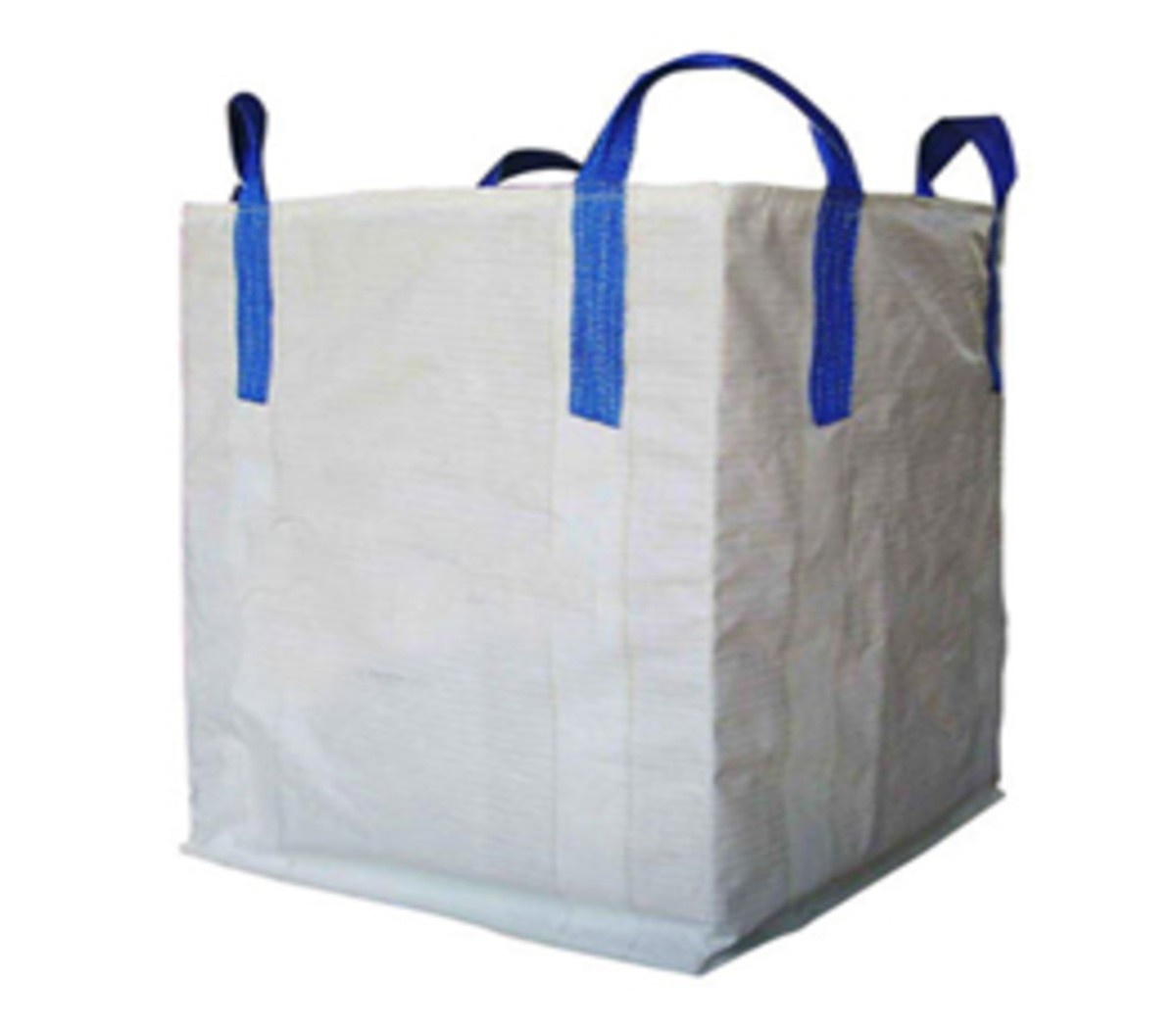
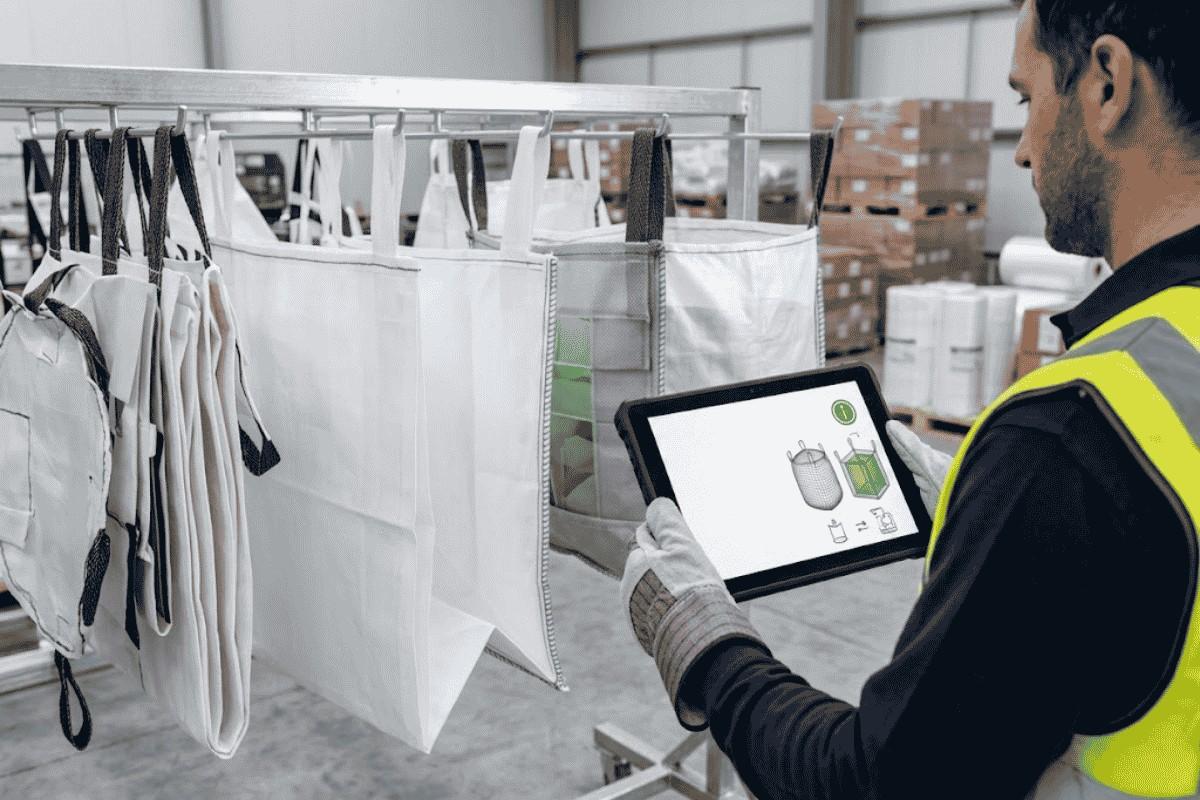
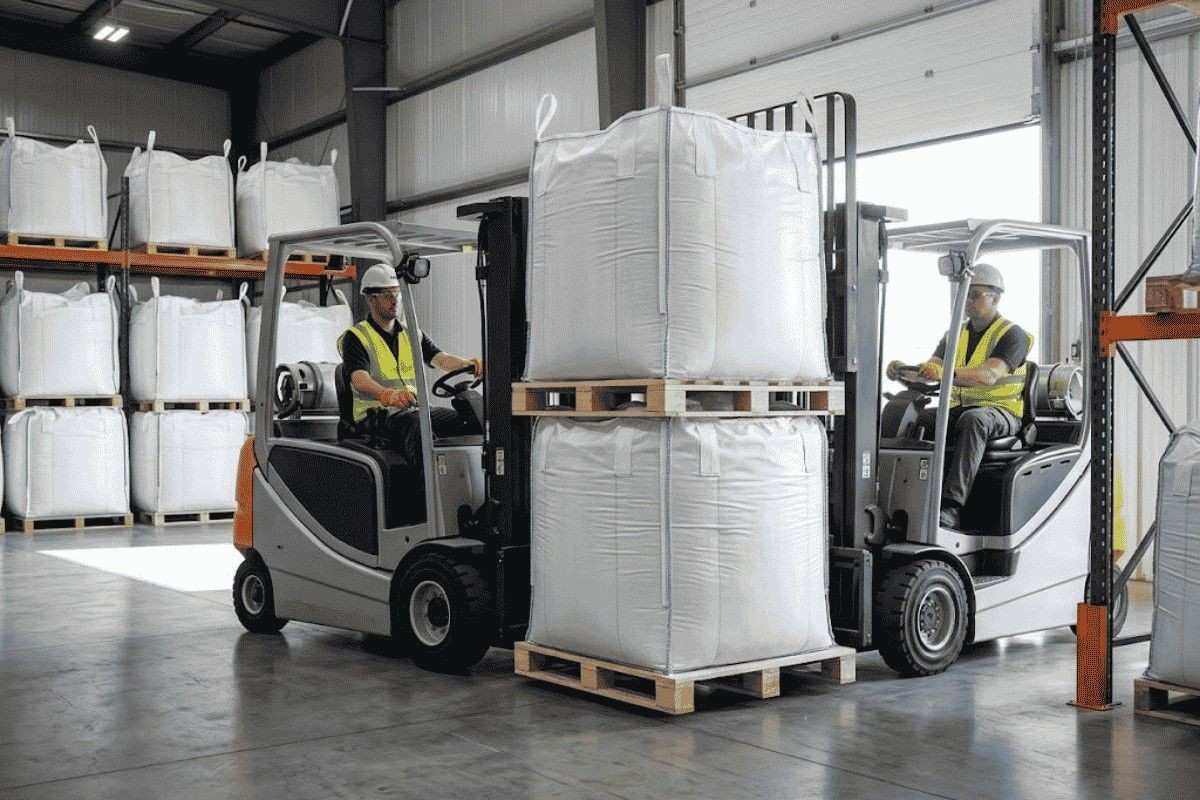
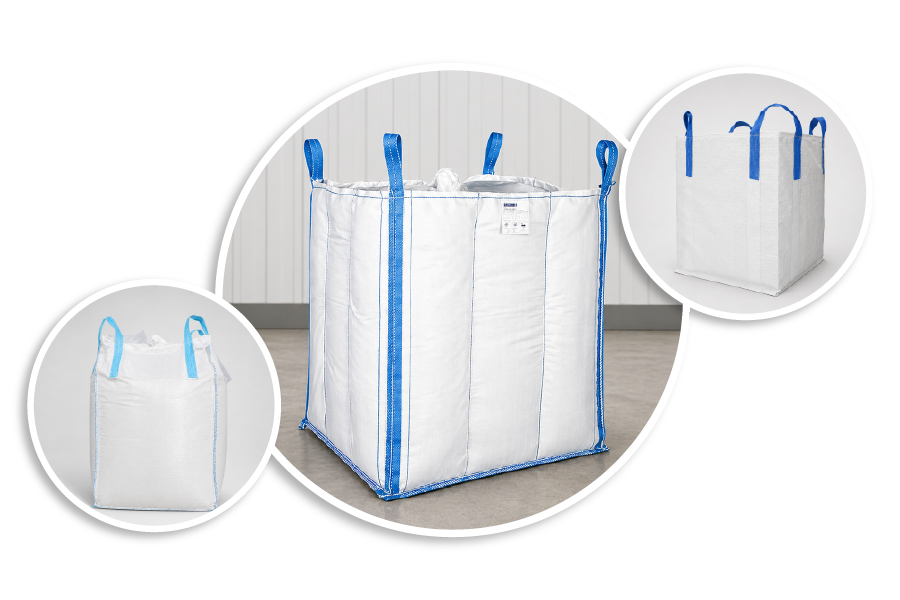
FIBC bulk bags are a durable and cost-effective packaging solution for bulk material transport and storage. Also known as bulk bags, jumbo bags, or super sacks, they are designed to handle heavy loads while remaining lightweight and easy to store. Their flexible construction allows them to collapse flat when empty, helping save storage space and simplify handling operations.

A standard FIBC bag is built for efficient bulk packaging across industries that require high-capacity material handling at a manageable FIBC bulk bags price per unit. The flexible design adapts to powders, granules, agricultural products, minerals, and industrial materials without the rigid structure of drums or hard containers.

FIBC bags are widely used in construction, food processing, agriculture, pharmaceuticals, petrochemicals, and mining operations where reliable bulk storage and transport are essential.
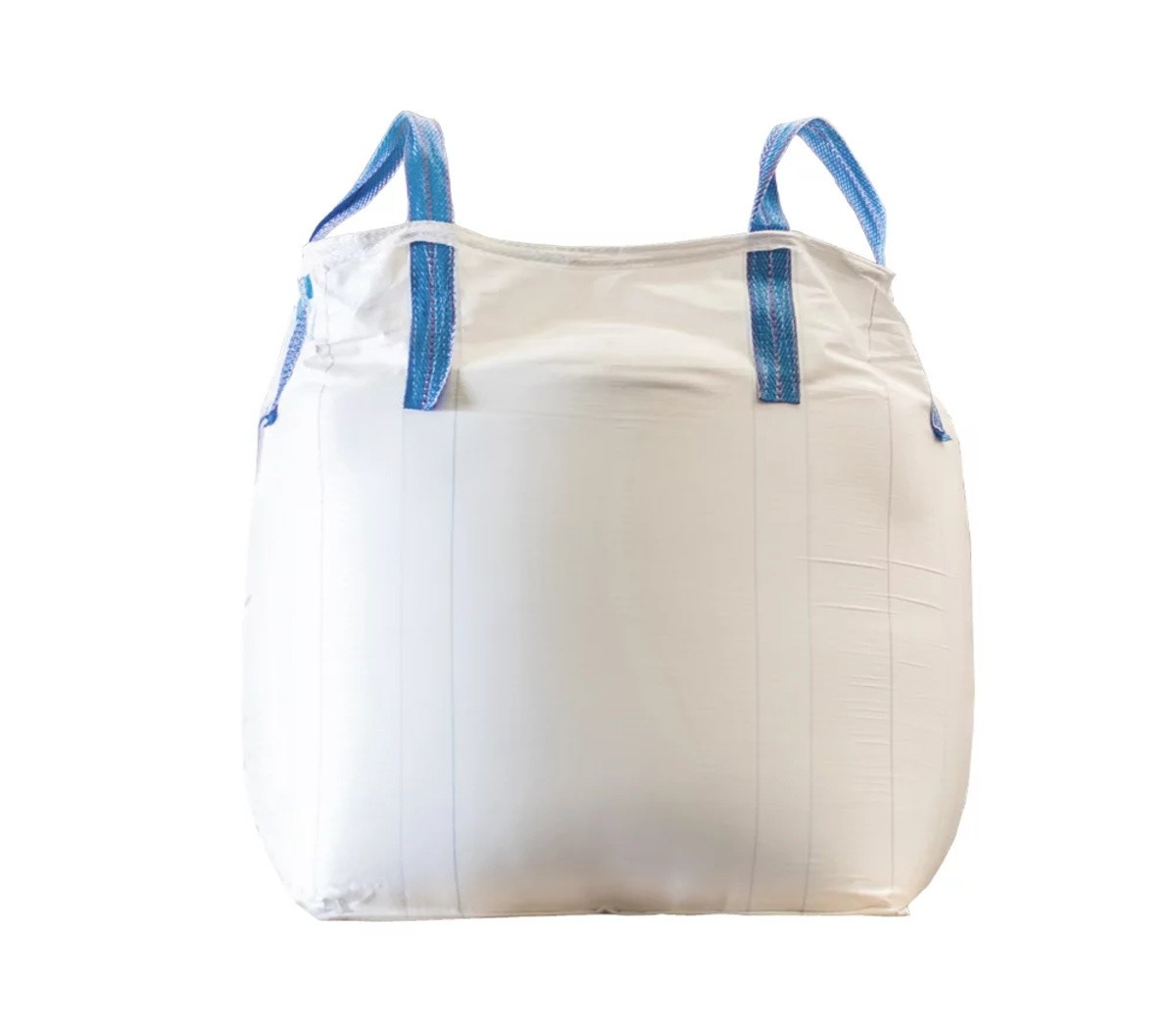
Types of FIBC Bulk Bags

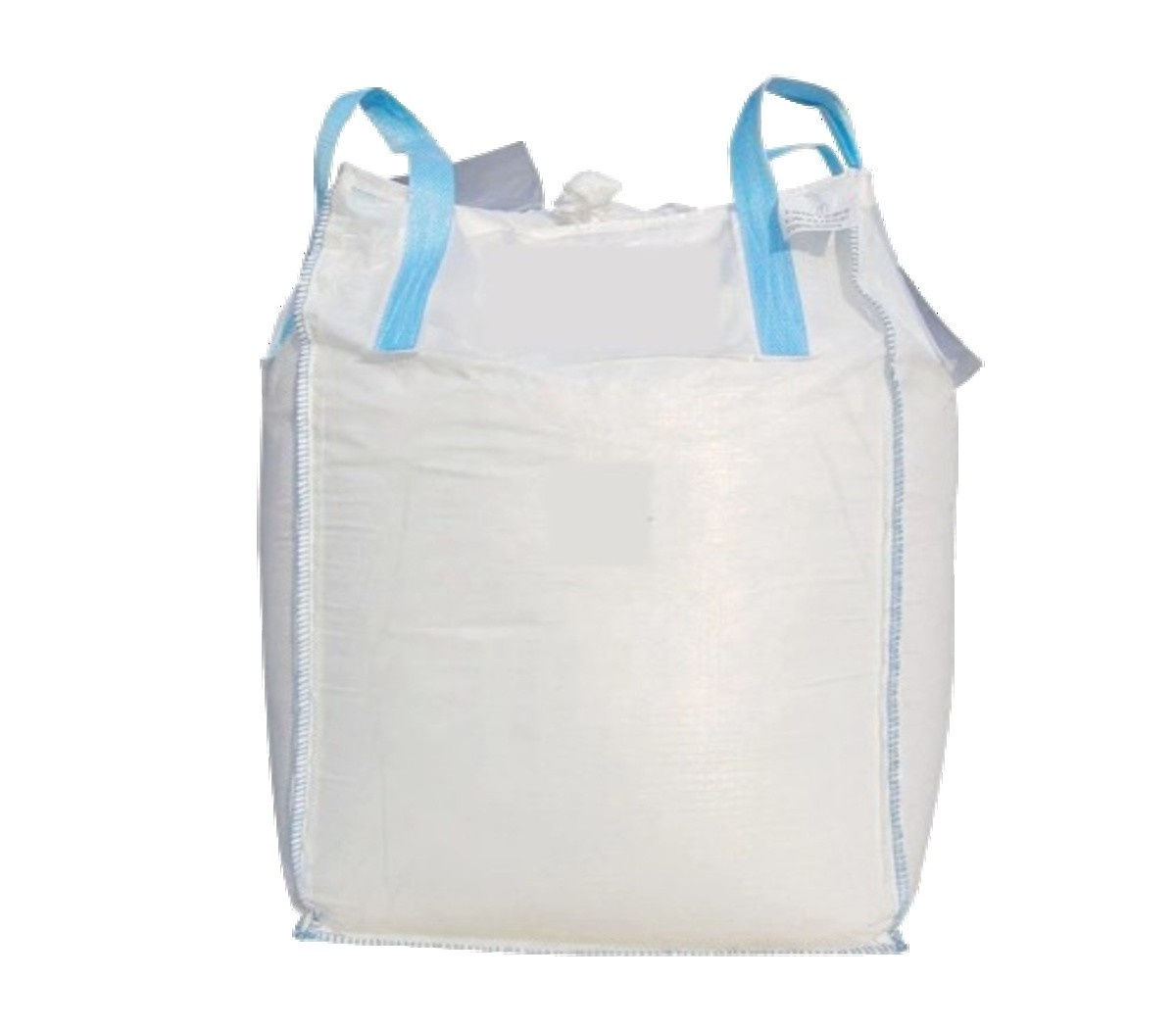
We offer a range of FIBC bag styles to suit your specific material, load capacity, and handling requirements. Select the construction that matches your fill type, stacking needs, and discharge method.

U-Panel Bags

Best for: Heavy loads requiring added side panel strength and durability.

U-panel FIBC bags are constructed from three fabric panels forming a U shape, making them one of the most widely used constructions for heavy industrial and construction loads. Reinforced side panels provide added structural strength that holds the load securely during lifting, transport, and stacking.

Key Features:

  • Made from three fabric panels forming a reinforced U shape
  • Reinforced side panels provide added strength under heavy load
  • Ideal for safely carrying construction aggregates and industrial materials
  • Compatible with standard four-loop forklift and crane handling
  • Available with food-grade or PE liner options
Tubular (Circular) Bags

Best for: Fine and powder materials requiring leak-resistant seamless construction.

Tubular FIBC bags are woven in a seamless circular construction with stitched top and bottom panels, eliminating the side seams that cause leakage in fine powder and granule materials. The seamless body ensures even weight distribution across the bag for easier handling and more consistent stacking.

Key Features:

  • Seamless circular body eliminates side seam leakage points
  • Stitched top and bottom panels for structural integrity
  • Ideal for fine powders, granules, and agricultural materials
  • Ensures even weight distribution for balanced lifting and stacking
  • Available with food-grade liner for pharmaceutical and food applications
Baffled Bags

Best for: Operations requiring square bag shape and improved warehouse storage efficiency.

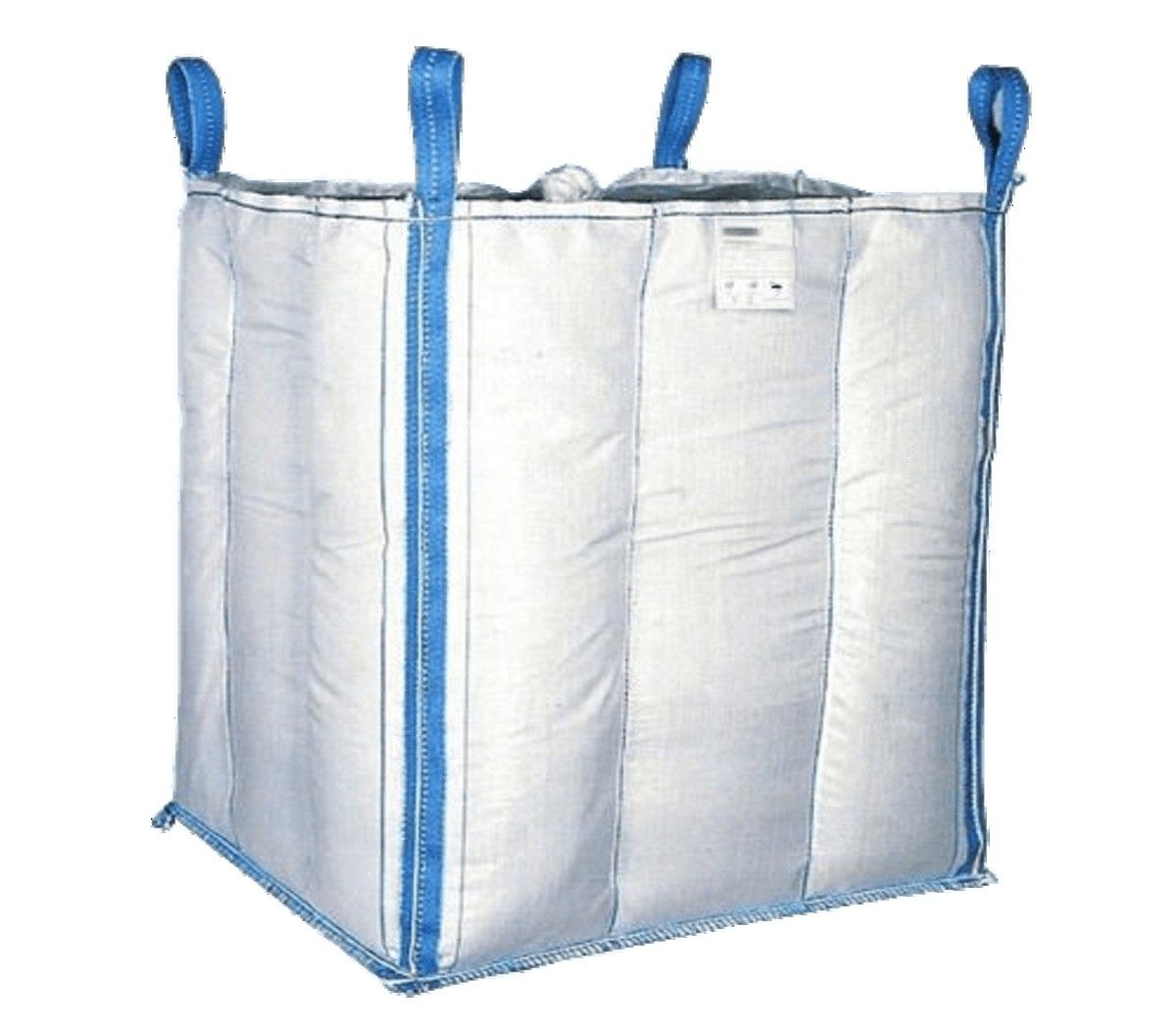
Baffled FIBC bulk bags feature internal baffle panels that connect the bag walls and maintain a square profile when filled. This square shape improves pallet utilization, reduces bulging between bags during stacking, and creates a neater, more stable warehouse storage configuration compared to standard U-panel or tubular constructions.

Key Features:

  • Internal baffles maintain square shape when filled under load
  • Reduces bulging for neater appearance and consistent pallet profiles
  • Enhances stacking stability in warehouse and yard environments
  • Improves storage efficiency and pallet utilization rates
  • Available in standard and UN-certified constructions
4-Panel Bags

Best for: Maximum shape retention and superior stackability under heavy fill loads.

4-panel FIBC bags are constructed from four separate side panels and a distinct base, giving them the best shape retention of any standard FIBC bulk bags construction. They hold their square profile more reliably than U-panel bags under heavy and uneven fill loads, making them the preferred choice for high-volume stacking applications.

Key Features:

  • Four side panels and a separate base for superior shape retention
  • Holds square profile better than U-panel under heavy fill loads
  • Optional internal baffles further improve stability and stackability
  • Compatible with all standard loop and top closure configurations
  • Available with UN certification for hazardous material transport

FIBC Bulk Bag Specifications

All FIBC bulk bags from Dunnage Systems are available in standard and custom configurations. Select by construction type, safe working load, fabric weight, liner option, and loop type to match your fill material, handling equipment, and industry compliance requirements.

FIBC Bulk Bag: Specification Guide
Specification Detail
Construction Types U-Panel, Tubular (Circular), Baffled, 4-Panel
Safe Working Load 500 kg to 2,500 kg (custom SWL ratings available)
Fabric Weight 90 gsm to 230 gsm (application dependent)
Safety Factor 5:1 standard (6:1 available for hazardous materials)
Liner Options PE liner, food-grade liner, anti-static liner, no liner
Loop Type Cross corner, stevedore strap, single loop, two-loop, four-loop
Top Options Open top, duffle top, spout top, closed top
Bottom Options Flat bottom, discharge spout, conical bottom
UN Certification Available for hazardous material transport applications
Custom Sizes Available on all construction types
Colour Natural (white) standard – custom colours available
Recyclable Yes – polypropylene woven fabric is recyclable

How to Choose the Right FIBC Bulk Bag?

Four factors help narrow the correct FIBC bulk bags specification for your material and operation. Match each factor to your fill type, load weight, and handling setup before ordering.

Load Type and Fill Material

Different fill materials require different FIBC bulk bags constructions. Powders and fine granules often need sealed or lined bags to help prevent leakage, while heavier materials may require reinforced panel designs. Confirm your material type and handling requirements before selecting a bag construction.

Safe Working Load and Capacity

FIBC bulk bags should match the weight and handling demands of your operation. Choose a bag with the appropriate safe working load and lifting design to support stable transport, storage, and bulk handling across your facility.

Bag Construction and Shape Retention

Select the right FIBC bag construction based on storage and stacking requirements. Tubular and U-panel bags work well for standard applications, while baffled and reinforced designs help maintain shape, improve pallet stability, and maximize warehouse space efficiency.

Industry Compliance and Certification

Some industries require specific FIBC bags certifications for safety, hygiene, or material handling standards. Food-grade, pharmaceutical, and hazardous material applications may require certified liners, traceability, or compliance-approved bag constructions.

Moisture and Dust Protection

FIBC bags protect bulk materials from moisture ingress, dust contamination, and environmental exposure throughout storage and transit. PE liner options add an additional moisture barrier for hygroscopic materials such as powders, salts, and agricultural products that degrade or clump when exposed to humidity during extended storage or long-distance transport.

Reusability and Cost-Effectiveness

FIBC bulk bags are built for multiple use cycles when correctly handled and stored. Reusable bags reduce per-shipment packaging cost significantly over single-use alternatives. The FIBC bulk bags price per unit drops further with volume orders. Dunnage Systems supplies bulk quantities at volume pricing for operations with high weekly or monthly bag consumption.

Why Operations Choose FIBC Bulk Bags from Dunnage Systems?

Custom Sizes and Configurations from a Direct Manufacturer

As a direct FIBC bags manufacturer and supplier, Dunnage Systems produces every bag to your specified dimensions, SWL, liner type, loop configuration, and top and bottom options. Custom design services are available on all construction types. Buying direct eliminates distributor markups and gives your procurement team direct access to technical support and documentation.

Lightweight and Easy to Handle

Despite their high load capacity, FIBC bags remain lightweight and easy to handle during filling, loading, and transport operations. When empty, they collapse flat for compact storage and efficient return shipping, helping reduce warehouse and logistics handling effort.

Easy to Store and Transport

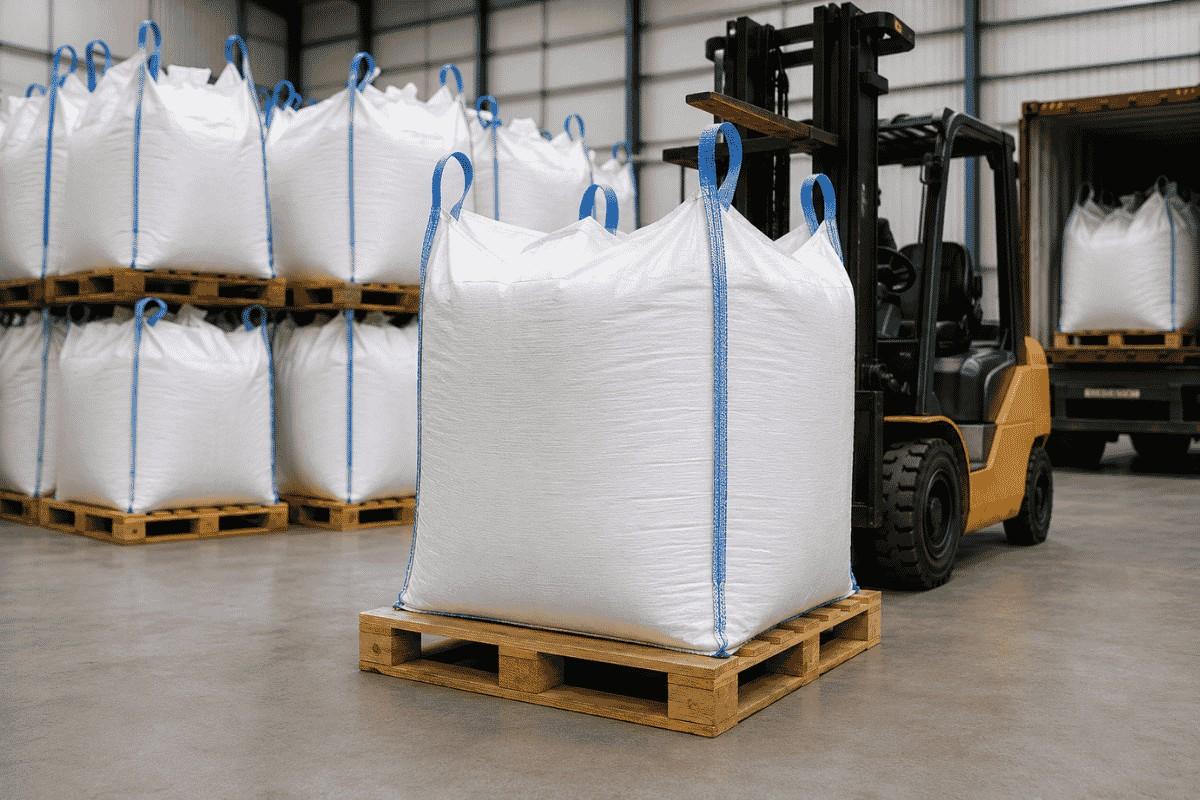
Flat-packed FIBC bags take up minimal storage space when empty, making them a practical choice for operations with limited warehouse space. Filled bags are stackable with baffled and 4-panel constructions that maintain a consistent square profile under load. Standard four-loop configurations are compatible with all standard forklift and crane handling equipment.

How to Use FIBC Bulk Bags?: Five Steps from Fill to Discharge

Correct use of FIBC bulk bags ensures safe filling, stable transport, and clean discharge every cycle. Follow these five steps for consistent performance from the first fill to the last.

1
step-1-select-the-correct-bag-for-your-material-and-load

Select the Correct Bag for Your Material and Load

Before filling, confirm the FIBC bulk bags construction type matches your fill material and that the safe working load rating exceeds your actual fill weight. Check that the liner option is correct for your material. Confirm the loop configuration is compatible with your forklift or crane before moving the bag into the fill position.

2
step-2-inspect-the-bag-before-filling

Inspect the Bag Before Filling

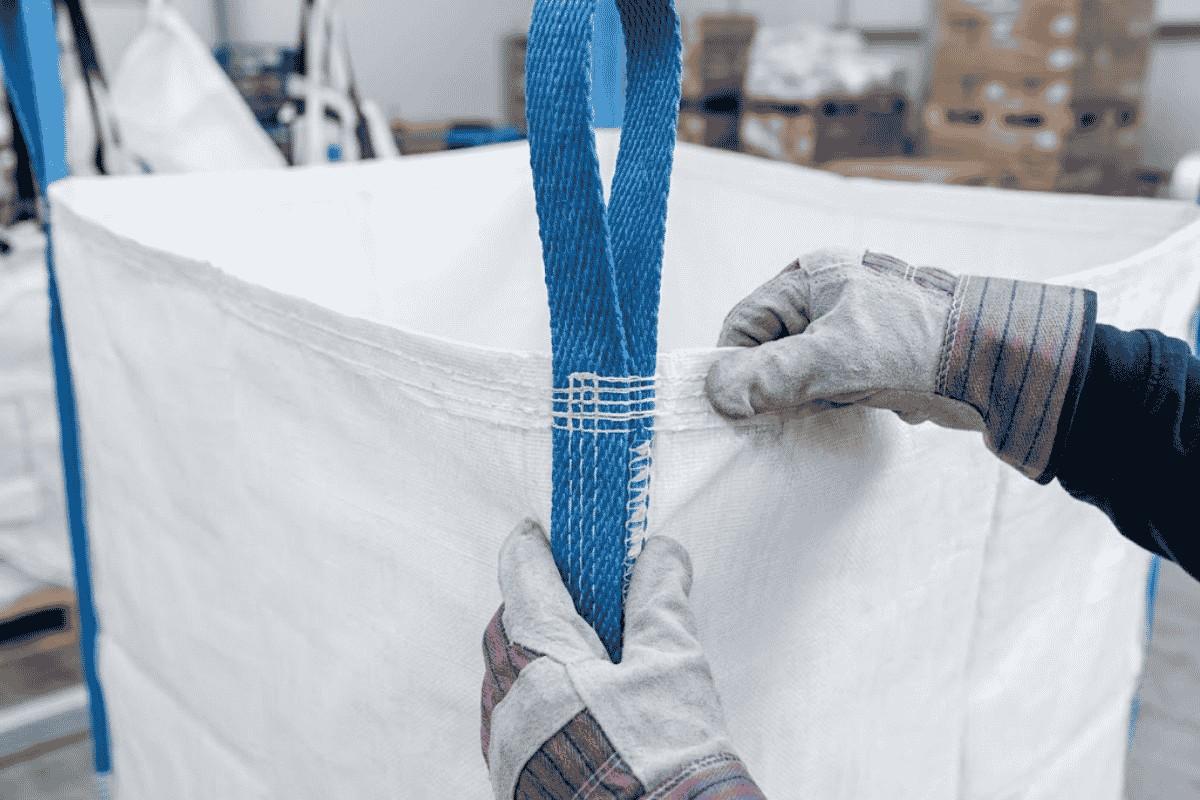
Inspect every FIBC bag before use for visible damage including cuts, abrasion, loop stitching failure, and seam separation. Do not use a bag showing any structural damage. For reusable bags, confirm the liner is intact and free of punctures before loading. A damaged bag used at full SWL presents a collapse risk during lifting and transport.

3
step-3-fill-using-compatible-equipment

Fill Using Compatible Equipment

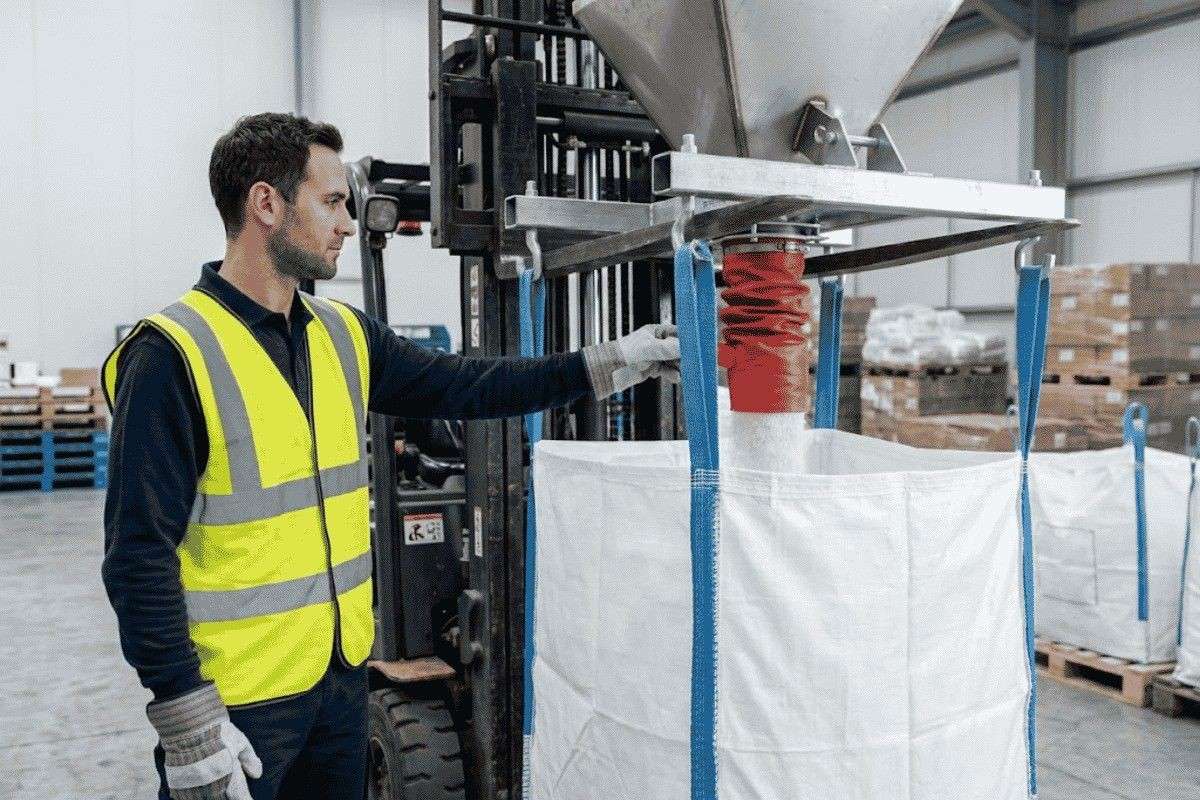
Position the FIBC bag on a flat, stable surface under your fill spout or conveyor. Open the spout top or duffle top and fill at a controlled rate to avoid impact loading that stresses the seams. Do not overfill beyond the rated SWL. Distribute fill material evenly across the bag base during filling to prevent one-sided loading that distorts the bag profile.

4
step-4-seal-and-label-for-transport

Seal and Label for Transport

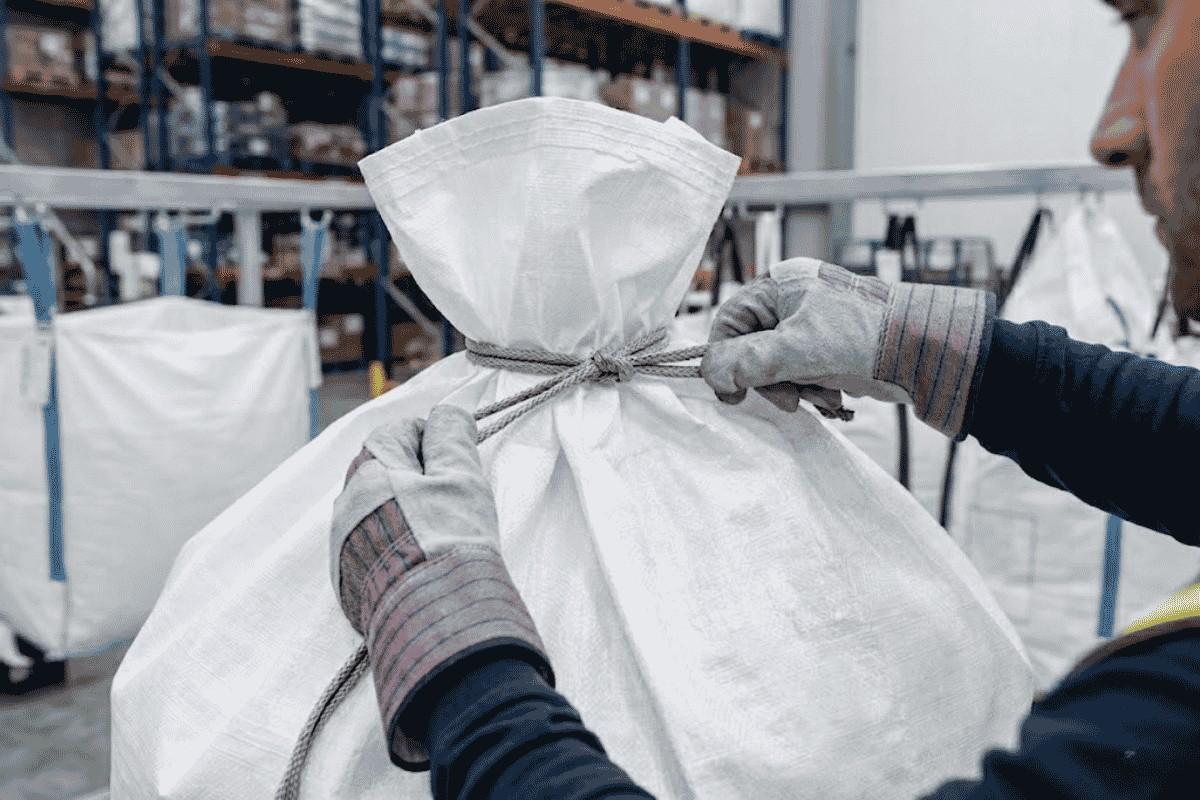
Once filled, close and tie the top spout, duffle, or closure following your standard procedure. Apply all required labels including material identification, weight, lot number, and any hazardous material markings before moving the bag. Lift the FIBC bags using all four loops simultaneously with a spreader bar to distribute the load evenly across all lift points.

5
step-5-store-stack-and-discharge-safely

Store, Stack, and Discharge Safely

Stack filled FIBC bags only when using baffled or 4-panel constructions rated for stacking loads. Store in a clean, dry area away from sharp objects, direct sunlight, and chemical exposure. For discharge, position the bag over the receiving hopper and open the bottom spout or conical outlet. Never cut the bag body to discharge material as this destroys the bag for reuse.

Certifications and Quality Standards

Industries We Serve

Our dunnage airbags are trusted by shippers across a wide range of industries.
If your business moves palletized goods, we have a solution built for your load.

Automotive Parts
Food and Beverage
Paper and Pulp
Chemical and Industrial
Consumer Goods and Retail
Building Materials
Pharmaceuticals
Electronics and Technology
Agriculture and Grain
Third-Party Logistics (3PL)

    Get In Touch with Us!

    Drop a Message and we'll
    Get Back to You Shortly.

    Frequently Asked Questions About FIBC Bulk Bags

    What are FIBC bulk bags used for?

    FIBC bulk bags are used to store and transport large volumes of bulk materials such as powders, granules, agricultural products, aggregates, minerals, and industrial chemicals. They provide a flexible, high-capacity packaging solution that simplifies bulk handling, storage, and freight operations across construction, agriculture, pharmaceutical, and industrial sectors.

    Standard FIBC bag constructions are designed to handle a wide range of bulk material loads depending on the bag design, fabric strength, and lifting configuration. Heavy-duty options are available for demanding industrial applications, and bags should always be selected according to the required safe working load and material handling conditions.

    Yes. FIBC bulk bags are designed for multiple fill cycles when handled, stored, and maintained correctly. Before each reuse, inspect the bag for cuts, seam damage, and loop stitching integrity. Do not reuse a bag showing visible structural damage. At the competitive FIBC bulk bags price per unit on bulk orders, reusable bags provide significant per-cycle cost savings compared to single-use packaging alternatives.

    You can purchase FIBC bulk bags for sale directly from Dunnage Systems, a USA-based supplier of bulk packaging and cargo protection products. As direct FIBC bag manufacturers and bulk FIBC bag suppliers, we ship standard and custom constructions to operations across all 50 states. We are also established FIBC bags suppliers for construction, agricultural, pharmaceutical, and industrial sectors. Call (870) 942-4830 or submit a quote request for a same-day response.

    U-panel FIBC bags use three fabric panels and are strong and widely used for heavy loads. Tubular bags are seamless and prevent fine material leakage. Baffled bags have internal panels that maintain a square shape when filled, improving stackability. 4-panel bags use four side panels for superior shape retention. Choose construction based on your fill material, stacking requirements, and warehouse storage configuration.

    Ready to Source FIBC Bulk
    Bags for Your Operation?

    Contact Dunnage Systems today for FIBC bulk bags for sale in standard and custom configurations. Whether you need a single pallet of U-panel bags or a high-volume supply of UN-certified constructions, our team as direct FIBC bag manufacturers confirms the right specification and bulk pricing within one business day.

    Protect Cargo Now! (870) 942-4830