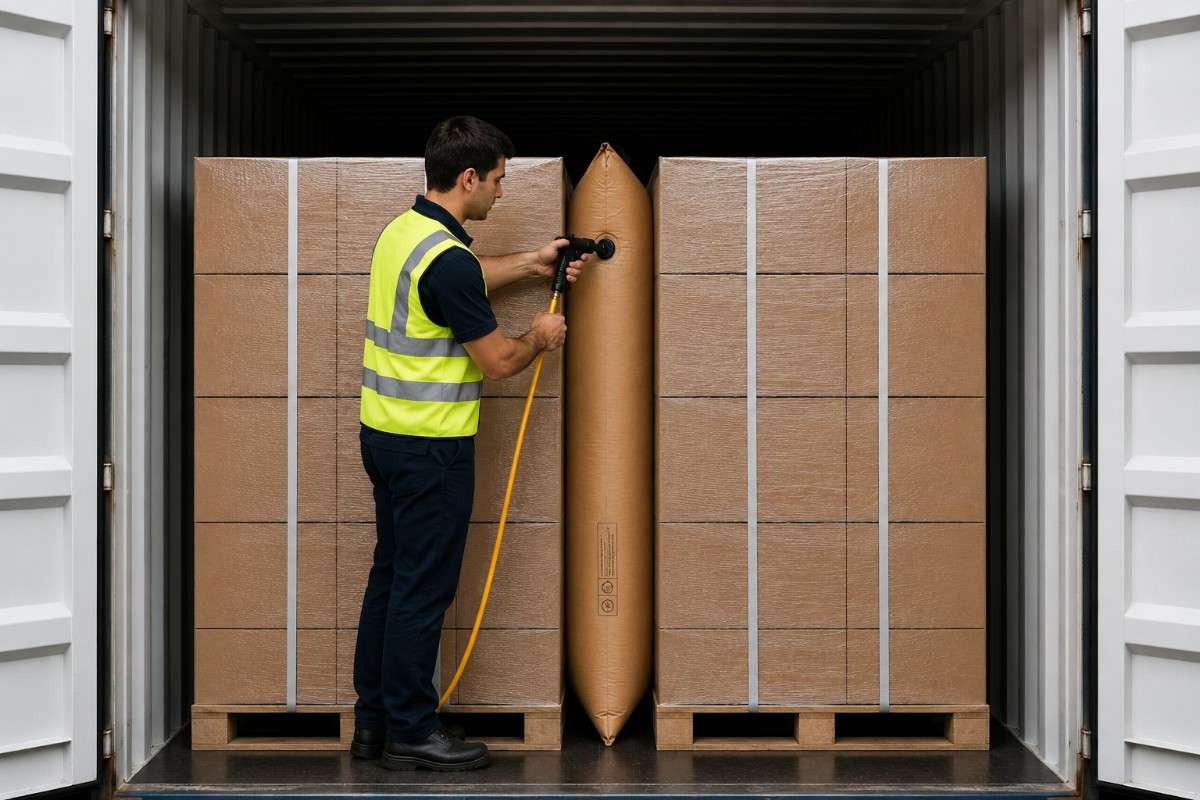

What Are Industrial Dunnage Airbags?

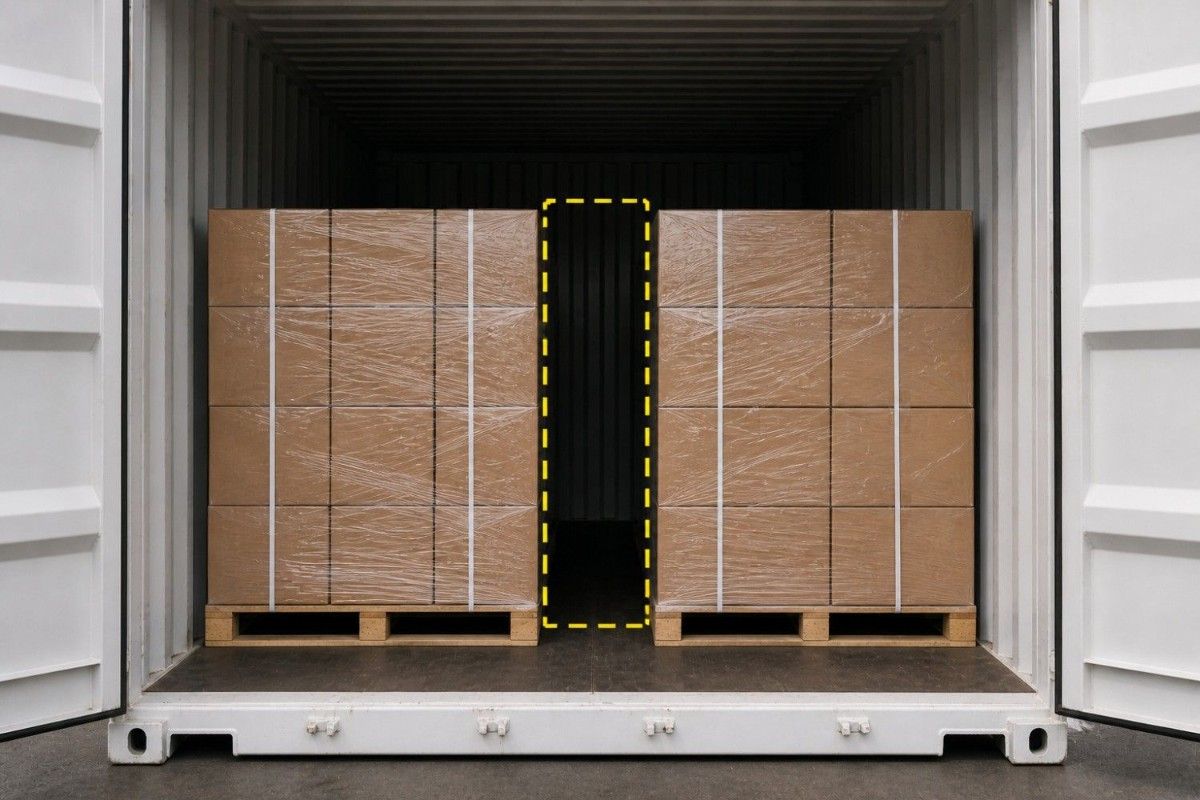
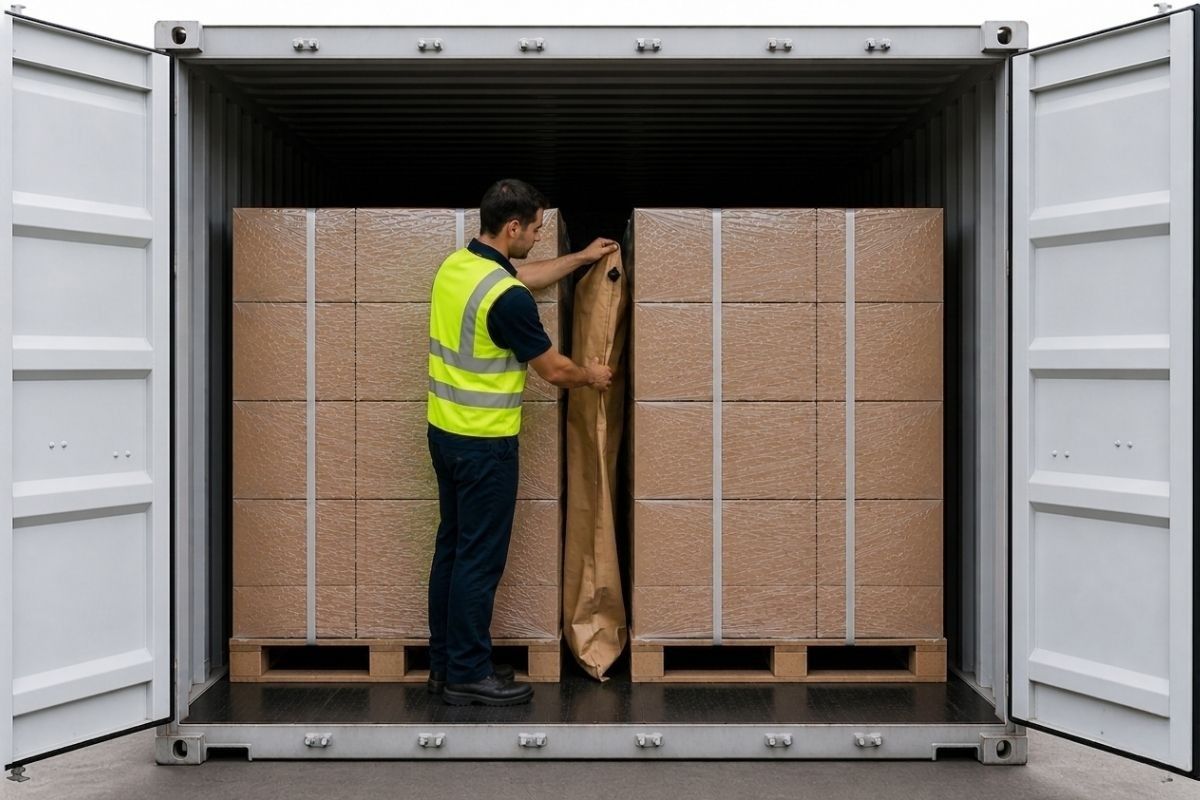
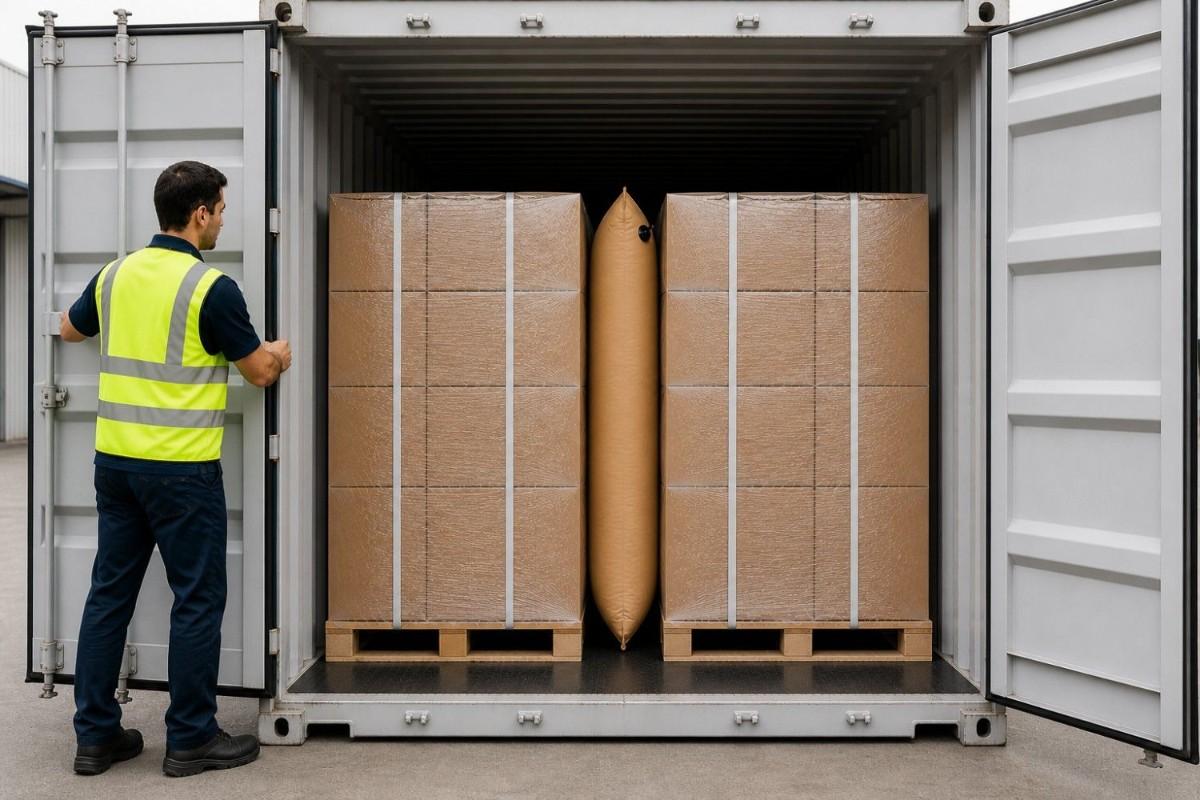
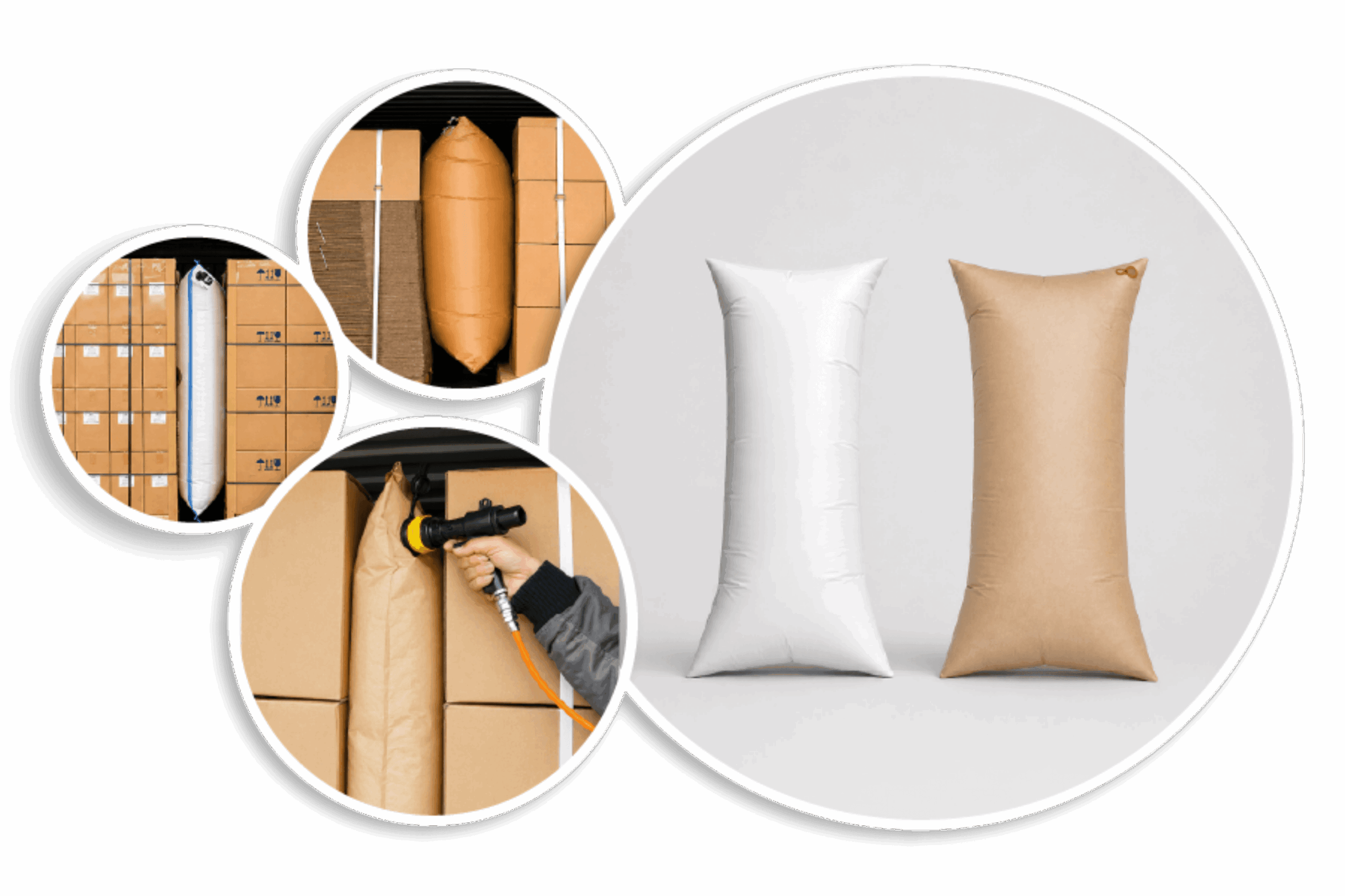
Industrial dunnage bags are high-strength inflatable void fillers engineered for freight operations where standard bag constructions are not sufficient for the load. They are positioned between heavy cargo in railcars, sea containers, intermodal units, and over-the-road trailers, then inflated to operating pressure to stabilize and secure loads throughout transit.

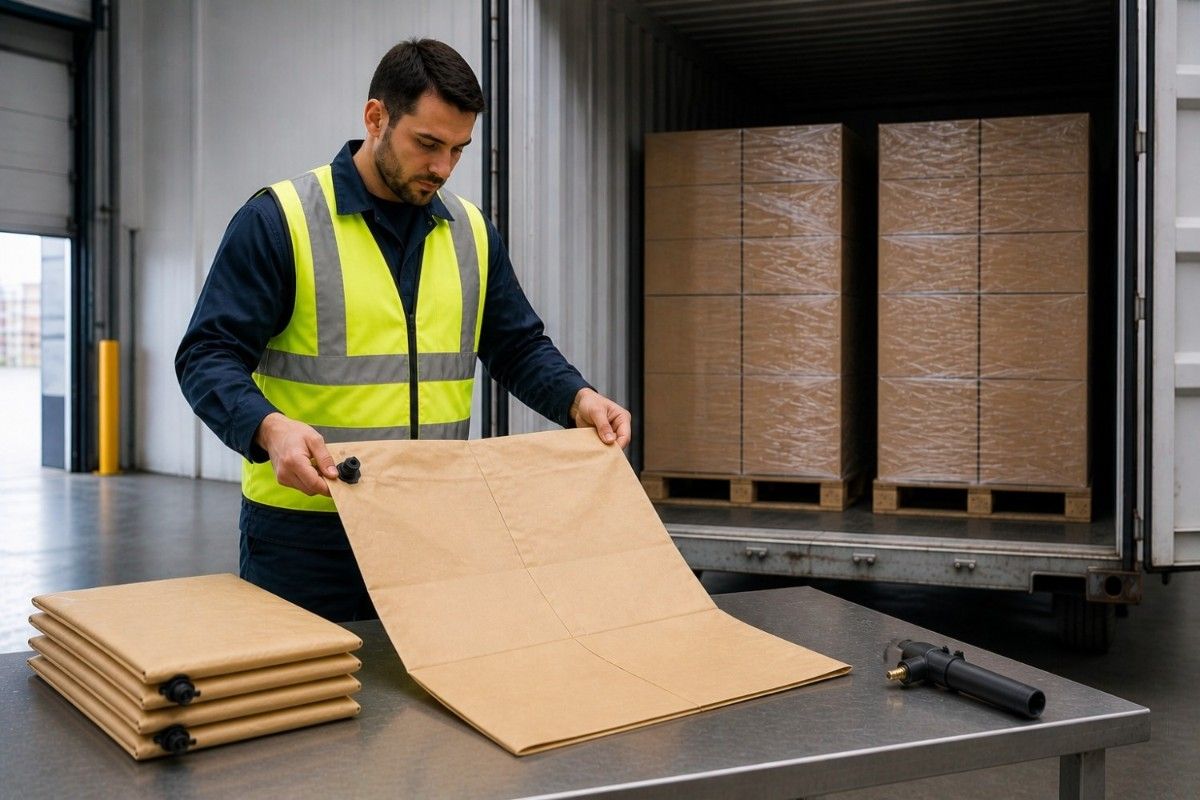
Unlike standard dunnage bags, industrial-grade constructions are available in Level 0 to Level 5 polywoven and multi-ply kraft options designed for demanding freight conditions. These specifications are commonly used in rail, intermodal, and ocean freight applications where reliable cargo protection is critical.

When load shifting can lead to damaged goods, operational delays, or freight claims, cargo dunnage bags provide dependable load stabilization across high-volume shipping environments. Container dunnage bags in industrial-grade constructions help reduce reliance on wood bracing, improve loading efficiency, and deliver consistent performance throughout repeated shipment cycles.


Industrial Dunnage Airbag Specifications

All dunnage air bags from Dunnage Systems are manufactured to meet or exceed AAR performance standards. Select the construction and level that matches your load profile and transportation mode. Contact us to confirm size availability for your specific void dimensions.

Kraft Paper — Size Selection Guide
Construction Load Capacity (lbs) Max PSI Transport Method
2-Ply Less than 45,000 2 Truck (OTR)
4-Ply 45,001 – 75,000 4 Truck, Ocean
6-Ply 75,001 – 160,000 8 Rail, Intermodal, Ocean
8-Ply 160,001 – 240,000 10 Rail, Intermodal, Ocean
Polywoven — Size Selection Guide
Construction Load Capacity (lbs) Max PSI Transport Method
Level 0 Up to 45,000 2.0 Truck (OTR)
Level 1 Up to 45,000 3.0 Truck, Intermodal, Sea Container
Level 2 Up to 75,000 5.0 Truck, Intermodal, Sea Container
Level 3 75,001 – 160,000 8.0 Rail, Intermodal, Ocean
Level 4 160,001 – 216,000 10.0 Rail, Intermodal, Ocean
Level 5 Up to 216,000 (horizontal roll paper) 10.0 Rail, Intermodal, Ocean

Need help matching the right level to your load? Our procurement team responds within one business day. Download the spec sheet for your bag type or request a bulk quote below.

Industries That Use Industrial Dunnage Airbags

Industrial dunnage air bags are a standard specification across freight-intensive sectors. These are the six industries where heavy-duty void fill directly reduces cargo damage, loading time, and freight claim costs.

Food and Beverage Manufacturing

Food and beverage producers ship palletized goods, drums, and bulk containers across truck and intermodal lanes at high volumes. Cargo air bags help stabilize loads during transit, reducing packaging damage and protecting product integrity across outbound shipments.

Paper and Packaging

Paper mills and packaging manufacturers transport large rolls and stacked materials that can shift without proper void fill. Container dunnage bags help secure paper rolls and freight loads in railcars and ocean containers where consistent load stability is required.

Chemicals

Chemical shipments in drums, IBCs, and bulk containers require reliable load stabilization during rail, truck, and intermodal transit. Heavy duty dunnage bags help secure cargo while reducing movement and minimizing contamination risks in sensitive cargo environments.

Automotive

Automotive manufacturers and parts distributors move components and finished units through rail and intermodal freight networks. Cargo dunnage bags help protect high-value parts from movement, vibration, and load shift during long-distance transport.

Electronics

Electronics shipments contain fragile and high-value components that require stable load conditions. Shipping container air bags help reduce cargo movement inside ocean containers and intermodal units, protecting sensitive products throughout transit.

Logistics, Trucking, and Rail

Third-party logistics providers, truckload carriers, and rail operators rely on freight airbags to maintain consistent cargo securement across different freight lanes. Airbags for shipping freight simplify loading operations and improve load stability across rail, truck, and ocean shipments.

How to Choose the Right Industrial Dunnage AirBag?

Match these four factors to your load profile before ordering. Selecting the correct specification from the start eliminates cargo damage risk, compliance issues, and costly reorders.

Load Capacity

Match the bag construction to the cargo weight and freight conditions at each void position. Heavy duty dunnage bags are designed for demanding freight applications where standard bag constructions may not provide adequate support.

Transport Mode

Truck, rail, ocean, intermodal, and over-the-road freight each require different bag construction standards. Inflatable dunnage bags used in rail and container freight should meet the appropriate compliance and performance requirements for the shipment type.

Void Size

Measure the gap between the cargo and container wall with the load in position. Industrial dunnage bags should fill the void correctly to maintain stable load bracing during transit.

Pressure Requirement

Operating pressure affects the bag’s bracing performance and load stability. Always follow the operating pressure information printed on the bag label and use a gauge-equipped inflator to avoid overinflation.

High Load Strength

Heavy duty dunnage bags in Level 0 to Level 5 polywoven and multi-ply kraft constructions are designed for freight loads that standard bags cannot properly secure. Industrial dunnage bags provide dependable load stabilization for demanding rail, intermodal, truck, and ocean freight applications.

Reliable Cargo Protection

Every inflated bag distributes bracing force evenly across the void, preventing cargo movement in any direction throughout transit. Cargo airbags in industrial grades maintain rated pressure for the full journey, from dock departure to destination. Consistent cargo protection means fewer freight damage claims, lower insurance exposure, and no production delays caused by damaged inbound goods.

Why Industrial Freight Operations Choose Industrial Dunnage Airbags?

Custom Cargo Solutions

Not every industrial load fits a standard catalog specification. Our team provides custom bag sizing and construction recommendations for non-standard cargo configurations, odd-dimension voids, and specialized transport requirements. We deliver cargo packaging solutions that are specified for your exact load, route, and mode, not a generic equivalent.

Global Supply and Availability

Dunnage Systems is a dunnage air bags supplier with the inventory and logistics capacity to fulfill pallet and truckload orders for freight operations across all 50 states. Repeat buyers receive consistent product specifications with every order. Our Vendor Managed Inventory program supports high-volume operations that require automatic replenishment without manual reordering cycles.

Manufacturer-Grade Quality

As a direct dunnage airbags manufacturer, Dunnage Systems produces every bag to consistent construction standards and tests each batch to rated PSI before shipment. Procurement teams receive full specification documentation and AAR compliance records. No distributor markups. No substituted specifications. Every order matches exactly what was quoted.

How to Apply Industrial Dunnage Airbags?: Six Steps

Correct application of inflatable dunnage airbags takes under two minutes per void. Follow these steps to ensure every bag is seated, inflated to rated pressure, and bracing the load correctly before the trailer or container is sealed.

1
Inspect_the_Cargo_and_Identify_All_Voids

Inspect the Cargo and Identify All Voids

Load your cargo into the railcar, trailer, or container following your standard plan. Before sealing, walk the full load and identify every gap between cargo units and between cargo and the walls. Measure each void width at its widest point. This measurement determines which bag size is required for each position in the load.

2
Select_the_Correct_Bag_for_Each_Void

Select the Correct Bag for Each Void

Match the bag construction level and size to the void measurement and cargo weight at that position. Airbags for shipping freight in industrial-grade constructions should match the load requirements of the shipment. Check the bag label for the construction level and operating pressure details before placing the bag into position.

3
Place_the_Bag_into_the_Void

Place the Bag into the Void

Slide the deflated cargo airbags flat into the void with the inflation valve facing outward toward the container access point. The bag should fit loosely in the void when fully deflated. Do not crease the bag body or kink the valve stem. A kinked valve will not seal correctly during inflation and must be repositioned before inflating.

4
connect-the-inflator-and-inflate

Connect the Inflator and Inflate

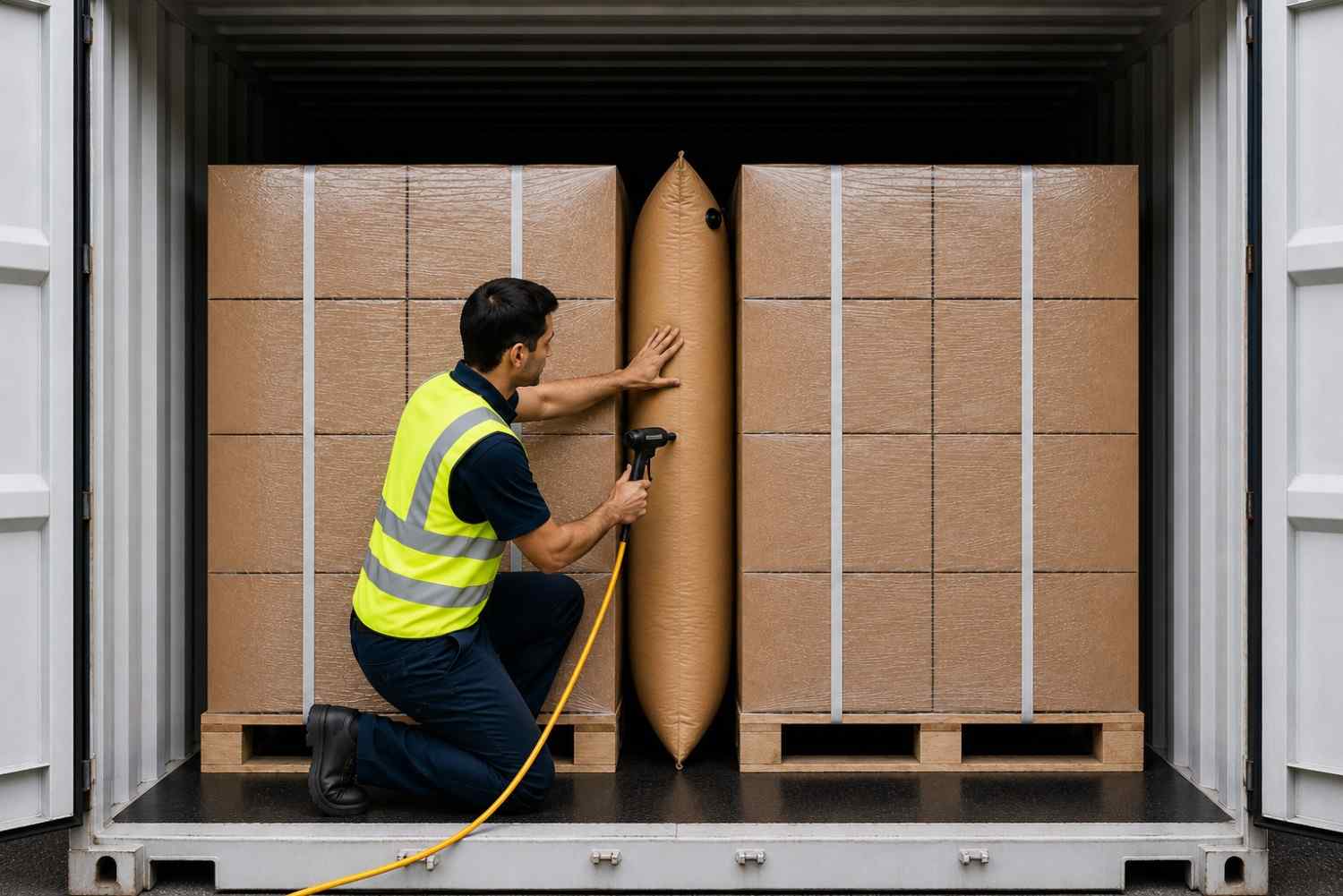
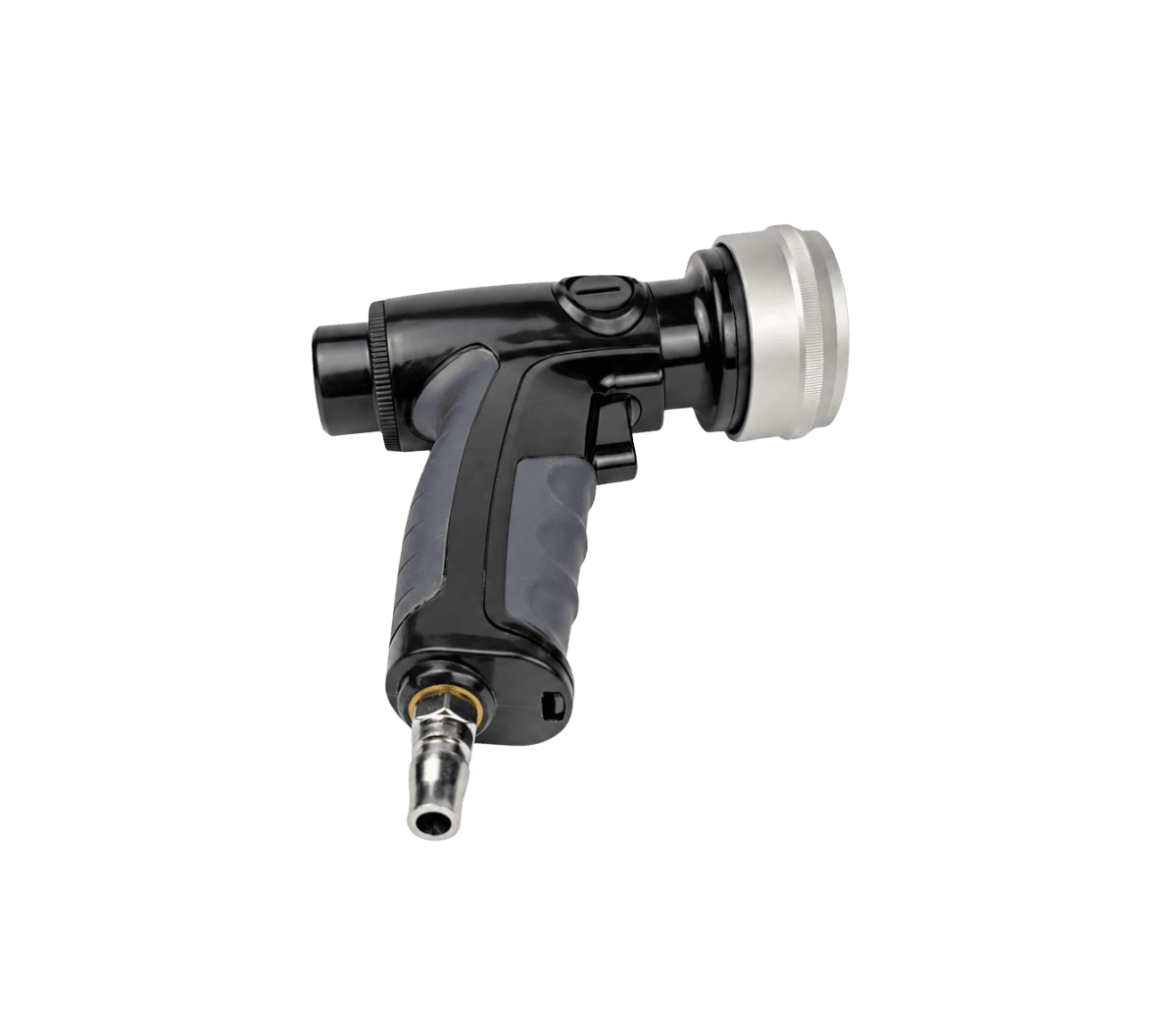
Attach the inflator tool to the bag valve and inflate slowly while monitoring the built-in pressure gauge. Stop inflation once the bag reaches the recommended operating pressure listed on the label. Avoid overinflation, as excess pressure does not improve bracing performance and may increase the risk of valve or seam damage.

5
verify-fit-and-confirm-inflation

Check Stability and Void Coverage

Apply light palm pressure to the inflated bag surface. A correctly inflated inflatable dunnage airbag compresses no more than half an inch under hand pressure. Confirm the bag fills the full void width and height with no visible gaps at the edges. Gaps at the top or sides of the void require a larger size or an additional bag at that position.

6
Close_and_Clear_for_Shipment

Final Secure and Clear for Shipment

With all voids filled and confirmed at rated pressure, the load is ready to seal and depart. Industrial dunnage bags maintain their rated inflation throughout the journey. At the destination, use the quick-deflate valve on polywoven bags for fast deflation and storage. Dispose of used kraft bags per local recycling guidelines.

Certifications and Quality Standards

Our industrial dunnage bags meet Association of American Railroads (AAR) requirements for rail and intermodal freight applications. All constructions are tested for dependable load securement performance before dispatch and backed by over 30 years of USA manufacturing consistency.

    Get In Touch with Us!

    Drop a Message and we'll
    Get Back to You Shortly.

    Frequently Asked Questions About Industrial Dunnage Airbags

    What are industrial dunnage airbags used for?

    Industrial dunnage bags are used to fill and brace voids between heavy cargo in railcars, shipping containers, intermodal units, and truck trailers. They help prevent cargo movement during transit by expanding to stabilize loads and maintain consistent load positioning.

    These bags are commonly used in demanding freight applications where stronger load securement and reliable cargo protection are required.

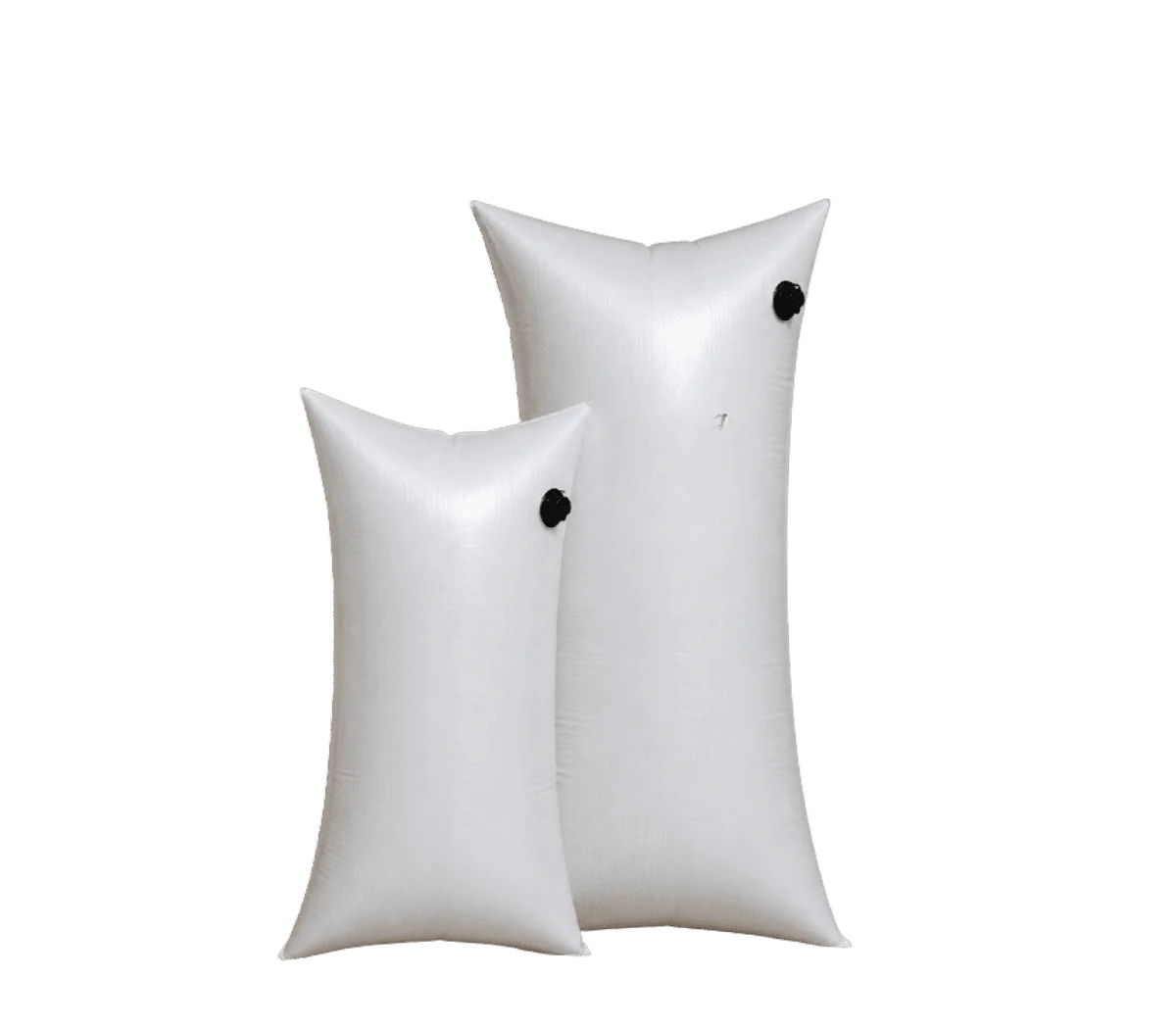
    Heavy-duty dunnage bags in polywoven construction are designed for multiple uses. The quick-deflate valve allows the bag to be emptied and folded flat for compact storage between shipments.

    For high-frequency freight operations, reusable polywoven dunnage bags help reduce replacement costs and improve loading efficiency. Multi-ply kraft constructions are typically used for single-use applications.

    Inflatable dunnage airbags are placed deflated into the gap between cargo inside a container or trailer. An inflator tool connects to the valve and fills the bag with air until it reaches the recommended operating pressure.

    As the bag expands, it presses against the surrounding cargo and container walls to create stable load bracing that helps prevent cargo movement during transit.

    You can purchase industrial dunnage air bags directly from Dunnage Systems Inc., a dunnage air bags manufacturer based in Little Rock, Arkansas. As a direct dunnage air bags supplier, we ship pallet and truckload quantities to freight operations across all 50 states. Call us at (870) 942-4830 or submit a quote request on our website for a same-day response.

    Industrial dunnage airbags are used across food and beverage, paper and packaging, chemicals, automotive, electronics, and logistics and rail sectors. Any industry shipping heavy freight by rail, ocean container, or intermodal that requires AAR-compliant or high-pressure load securement relies on industrial-grade specifications. A cargo air bag rated Level 0 to Level 5 is the standard for most rail and ocean freight applications.

    Ready to Secure Your
    Heavy-Duty Freight?

    Talk to a load securement specialist at Dunnage Systems. Whether you need industrial dunnage bags for a single facility or bulk supply across a national freight network, we will confirm the right construction, size, and pressure rating for your load. Your complete cargo packaging solution starts with one conversation.

    Protect Cargo Now! (870) 942-4830