
In the logistics and shipping industry, cargo damage during transit can lead to expensive claims, operational delays, and customer dissatisfaction. One of the most effective ways to stabilize freight and reduce load movement is by using dunnage airbags along with a reliable dunnage bag inflator.
Whether you transport goods by truck, rail, ocean container, or intermodal shipping, choosing the right inflator system plays a major role in ensuring safe and efficient cargo securement.
At Dunnage Systems, businesses can find high-quality dunnage bags, inflation systems, and cargo protection solutions designed to improve shipping safety and loading efficiency.
What is a Dunnage Bag Inflator?
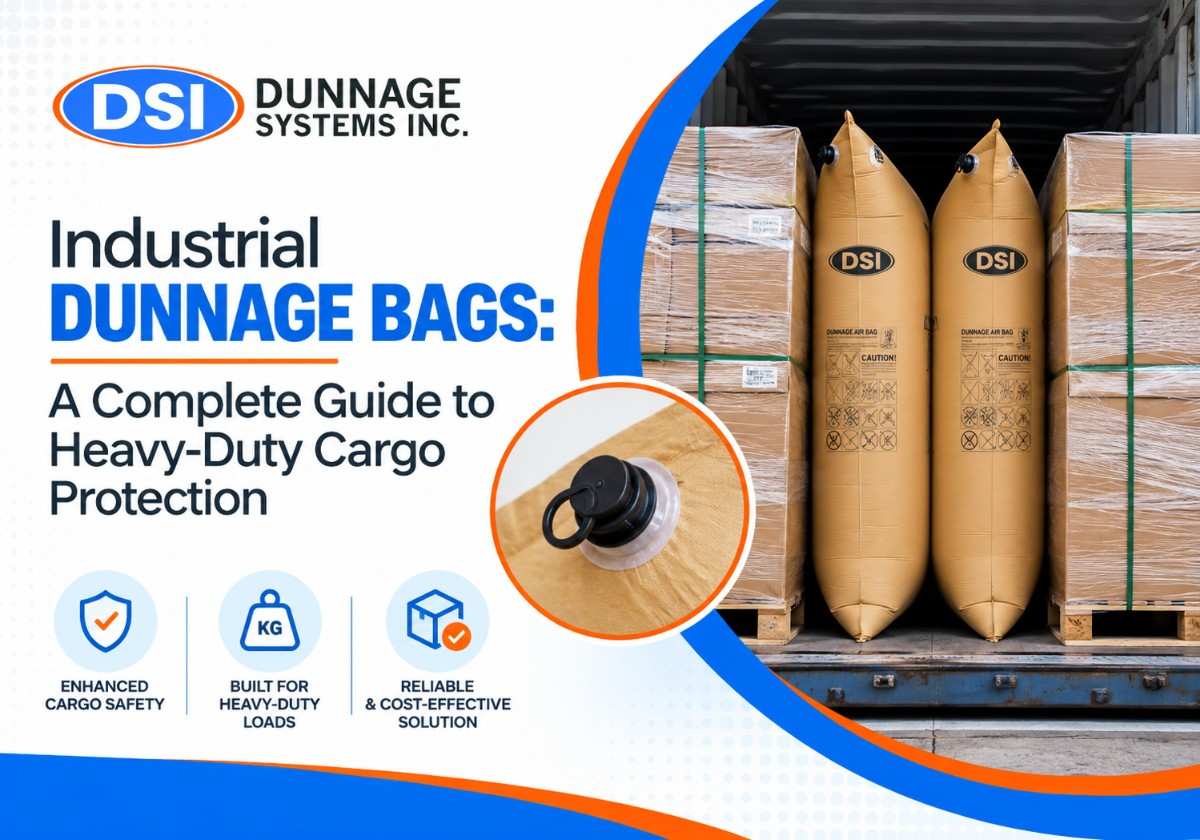
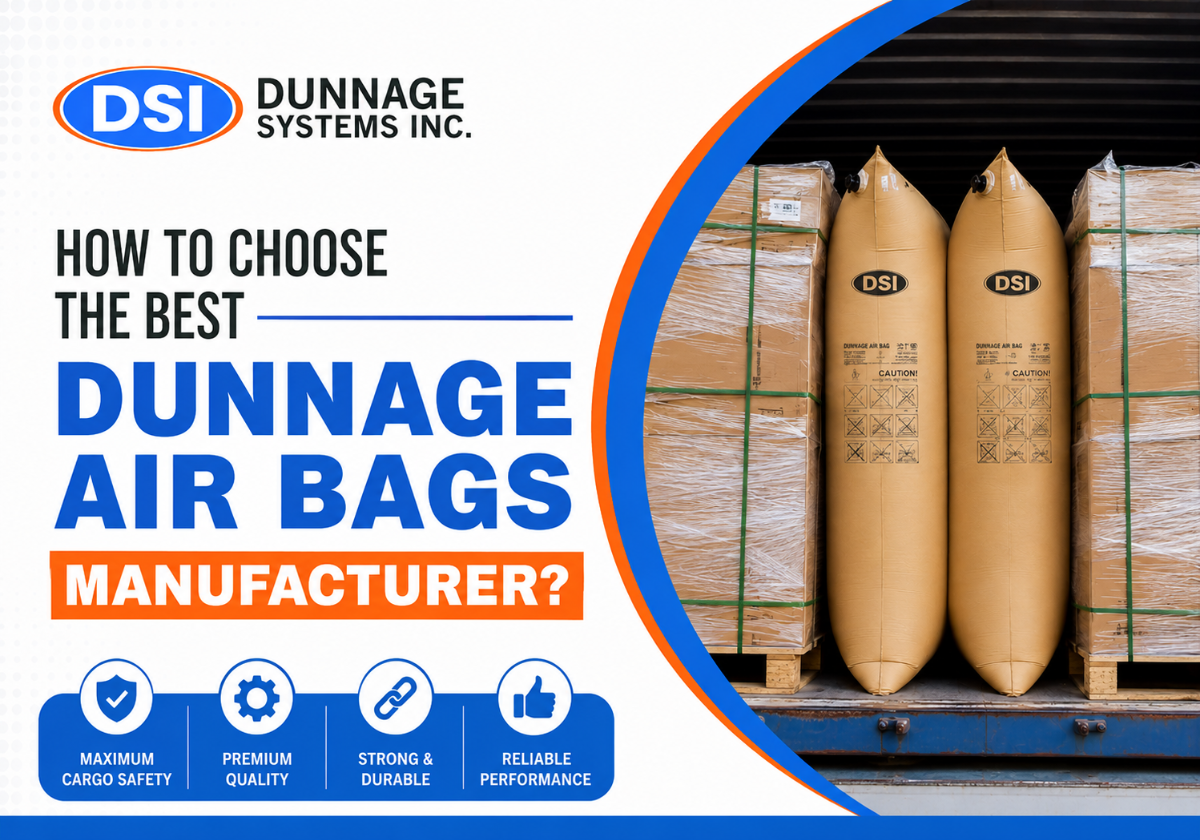
A dunnage bag inflator is a specialized tool used to inflate dunnage airbags placed between cargo loads. These airbags fill empty spaces inside shipping containers, trailers, railcars, and trucks to prevent freight from shifting during transportation.
The inflator connects directly to the dunnage bag valve and fills the bag with compressed air or powered airflow until the required pressure is achieved.
Without a proper inflator tool, achieving accurate pressure and secure load stabilization becomes difficult.
Why Dunnage Bag Inflators are Important in Cargo Shipping
Cargo movement during transit can cause:
- Product damage
- Broken pallets
- Container instability
- Increased insurance claims
- Delayed deliveries
- Safety hazards
Dunnage bag inflators help solve these issues by ensuring airbags are inflated quickly and accurately.
Key Benefits of Using a Dunnage Bag Inflator
Faster Cargo Loading
Modern inflators reduce inflation time significantly, helping warehouses and logistics teams improve operational efficiency.
Accurate Pressure Control
Proper inflation pressure helps prevent both underinflation and overinflation, reducing the risk of cargo movement or bag rupture.
Improved Worker Safety
Ergonomic inflator systems reduce physical strain and simplify the loading process.
Better Cargo Stability
Correctly inflated airbags create consistent pressure between loads, minimizing freight shifting during transportation.
Reduced Product Damage
Stable cargo means fewer damaged shipments and lower replacement costs.
According to cargo securement experts, improper cargo stabilization contributes to a large percentage of transportation-related accidents and freight damage.
How a Dunnage Bag Inflator Works
The inflation process is simple but highly effective.
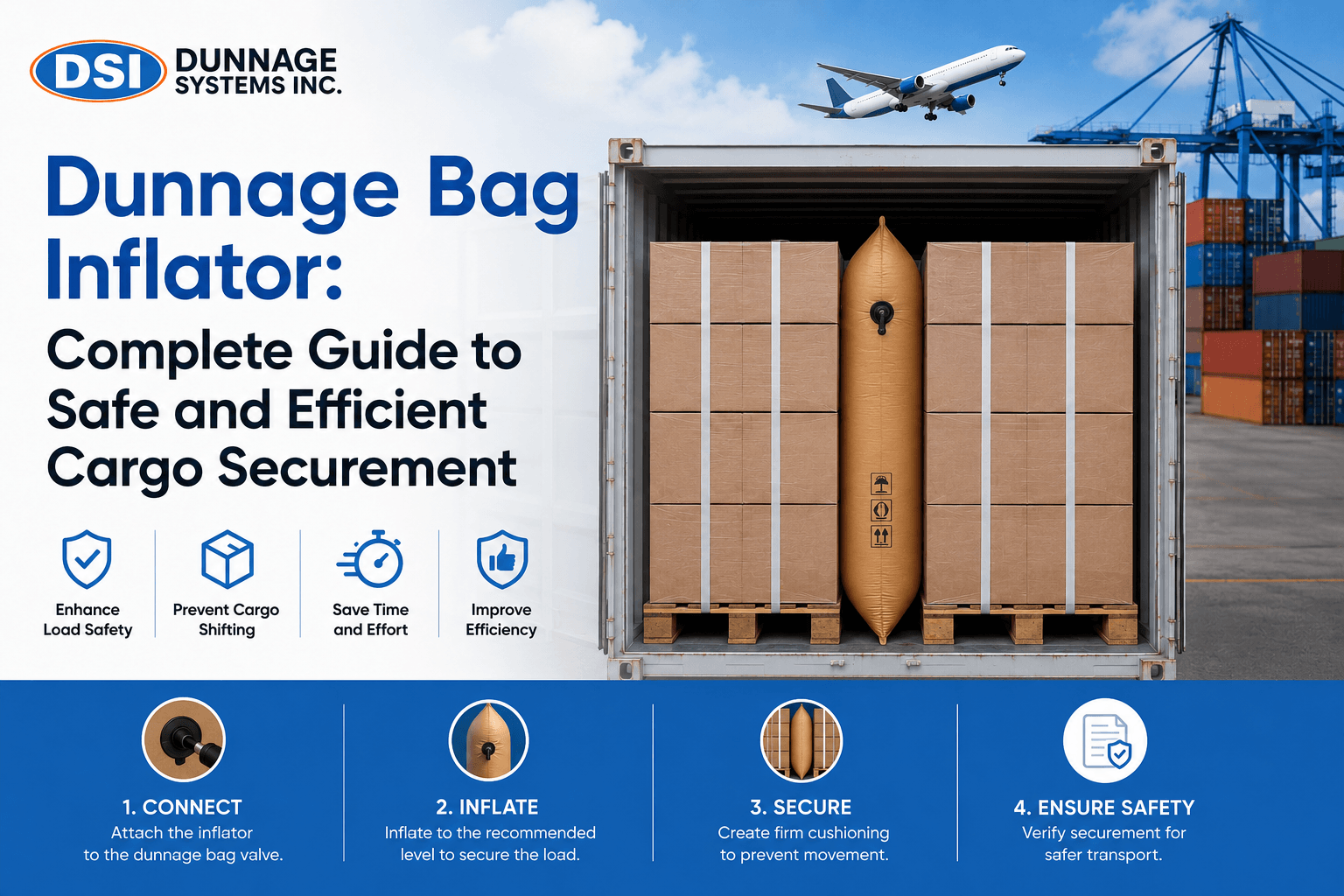
Step 1: Connect the Inflator
The inflator nozzle attaches securely to the dunnage bag valve.
Step 2: Inflate the Bag
Compressed air or powered airflow fills the bag until the desired PSI is reached.
Step 3: Monitor Pressure
Many advanced inflators include pressure gauges or digital controls to ensure proper inflation.
Step 4: Seal the Airbag
Once inflated, the self-sealing valve locks the air inside the bag to maintain cargo stability throughout transit.
Step 5: Remove the Inflator
The tool disconnects safely while the bag remains pressurized.
Types of Dunnage Bag Inflators
Different logistics operations require different inflation systems. Choosing the right type depends on shipment volume, mobility requirements, and available power sources.
1. Air Compressor Connected Inflators
These inflators connect directly to a compressed air system.
Advantages
- Fast inflation speed
- Reliable airflow
- Ideal for high-volume warehouses
- Consistent pressure control
Best For
- Shipping facilities
- Distribution centers
- Container loading stations
- Rail cargo operations
2. Cordless Battery-Powered Inflators
Battery-operated inflators provide portability without requiring external air compressors.
Advantages
- Portable and lightweight
- Suitable for remote loading areas
- Easy to carry inside containers
- Flexible operation
Best For
- Mobile logistics teams
- Field operations
- Remote container loading
- Smaller shipping environments
3. Venturi Inflators
Venturi systems combine compressed air with ambient air to inflate bags faster.
Advantages
- Extremely fast inflation
- Higher efficiency
- Reduced loading time
- Lower worker fatigue
Best For
- High-volume shipping operations
- Large-scale warehouse environments
- Heavy cargo securement
Some advanced venturi inflators can reduce inflation time by up to 50%.
Features to Look for in a Dunnage Bag Inflator
Not all inflators deliver the same performance. Here are the most important features businesses should consider.
Pressure Gauge
Built-in gauges help maintain correct PSI levels and prevent overinflation.
Valve Compatibility
Different dunnage bags use different valve systems such as:
- Standard valves
- Narrow valves
- Fast-fill valves
The inflator must match the valve type for proper sealing and airflow.
Ergonomic Design
Comfortable grip designs reduce operator fatigue during repeated use.
Durable Construction
Industrial-grade metal or reinforced materials improve long-term durability.
Fast Inflation Speed
High-flow systems improve warehouse productivity and reduce labor time.
Portability
Compact and cordless models improve mobility for flexible operations.
Common Industries Using Dunnage Bag Inflators
Dunnage bag inflation systems are widely used across multiple industries.
Logistics and Freight
Protects palletized cargo during transportation.
Food and Beverage
Prevents shifting of packaged goods inside containers.
Automotive Industry
Stabilizes heavy automotive components and machinery.
Chemical and Industrial Manufacturing
Secures drums, containers, and industrial materials.
Retail and E-commerce
Protects shipments during long-distance transportation.
How to Choose the Right Dunnage Bag Inflator
Selecting the best inflator depends on several operational factors.
Consider Shipment Volume
High-volume facilities benefit from compressor-connected or venturi systems.
Check Cargo Type
Heavy cargo often requires more precise pressure control.
Evaluate Mobility Requirements
Mobile operations may need cordless battery-powered inflators.
Verify Valve Compatibility
Ensure the inflator matches your dunnage bag valve design.
Focus on Safety Features
Pressure regulation systems reduce the risk of bag failure and cargo damage.
Best Practices for Using Dunnage Bag Inflators
Following proper inflation procedures improves both safety and cargo protection.
Do:
- Use the recommended PSI
- Inspect inflator hoses and valves regularly
- Position airbags correctly between loads
- Monitor inflation pressure carefully
- Use compatible inflator nozzles
Avoid:
- Overinflating airbags
- Using damaged inflators
- Inflating beyond manufacturer specifications
- Using incorrect valve adapters
- Ignoring routine maintenance
Dunnage Bag Inflators vs Manual Inflation Methods
| Feature | Dunnage Bag Inflator | Manual Inflation |
| Inflation Speed | Fast | Slow |
| Pressure Accuracy | High | Inconsistent |
| Labor Effort | Minimal | High |
| Safety | Improved | Higher risk |
| Productivity | Excellent | Limited |
| Cargo Stability | Reliable | Variable |
Modern inflator systems significantly outperform traditional manual inflation methods in efficiency and safety.
Why Businesses Choose Dunnage Systems
Dunnage Systems offers advanced cargo securement solutions for businesses looking to reduce freight damage and improve shipping operations.
Their solutions include:
- Dunnage airbags
- Battery-powered inflators
- Air compressor inflators
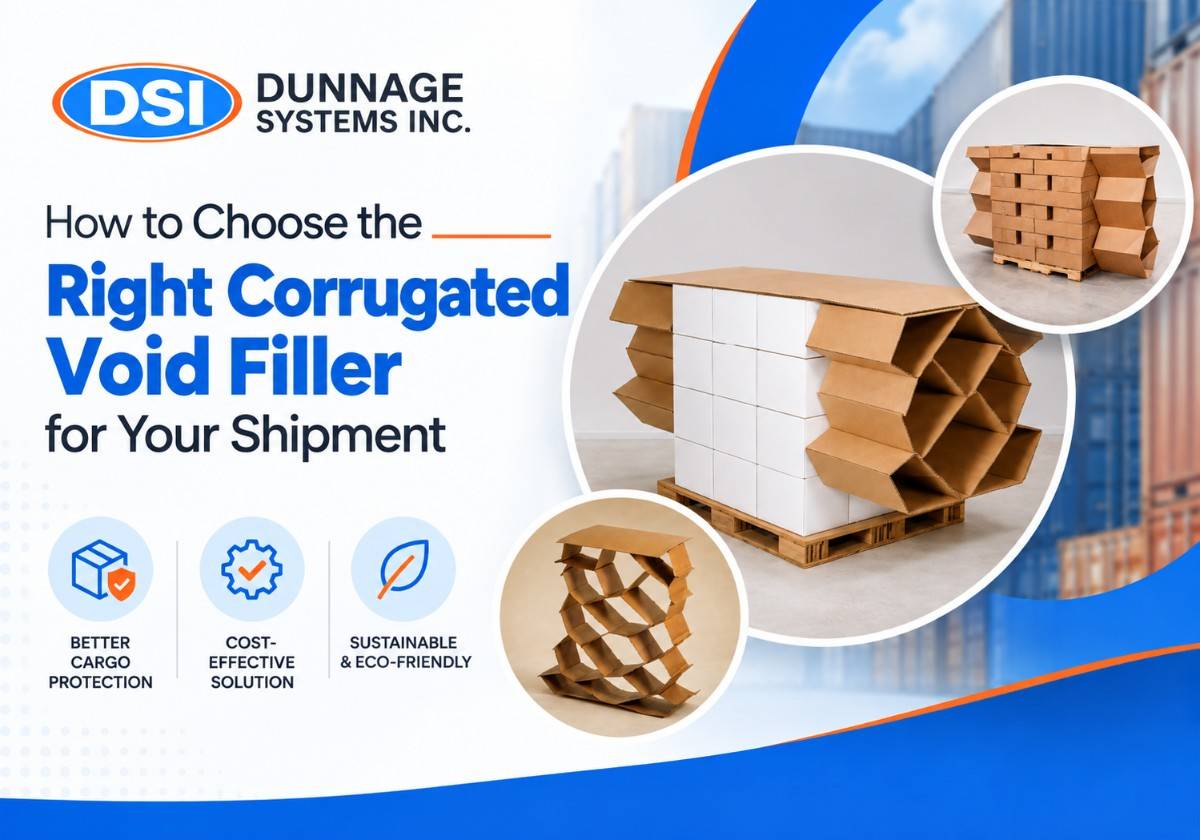
- Void fillers
- Cargo securement products
- Load stabilization systems
The company focuses on safe, efficient, and cost-effective cargo protection solutions for industries across transportation and logistics.
FAQs About Dunnage Bag Inflators
What is a dunnage bag inflator used for?
A dunnage bag inflator is used to inflate dunnage airbags that stabilize cargo during transportation and prevent load shifting.
Can I use one inflator for all dunnage bags?
Not always. Different dunnage bags use different valve systems, so compatibility between the inflator and valve type is important.
What PSI should a dunnage bag be inflated to?
The recommended PSI usually ranges between 2 PSI and 10 PSI, depending on the bag type, cargo weight, and transportation method. Always follow manufacturer guidelines.
Are cordless dunnage bag inflators reliable?
Yes. Modern cordless inflators are portable, efficient, and ideal for remote loading operations or mobile cargo handling.
What is the advantage of a venturi inflator?
Venturi inflators inflate dunnage bags much faster by combining compressed air with ambient airflow, improving warehouse efficiency.
How often should inflator tools be maintained?
Regular inspections should be performed to check hoses, pressure gauges, connectors, and nozzles for wear or damage.
Which industries use dunnage bag inflators?
Industries including logistics, manufacturing, retail, automotive, food distribution, and shipping commonly use dunnage bag inflators.
Can overinflation damage cargo?
Yes. Overinflated airbags can burst or apply excessive pressure to cargo, potentially causing product damage or safety issues.
Final Thoughts
A high-quality dunnage bag inflator is essential for modern cargo securement operations. From improving loading efficiency to reducing freight damage and increasing workplace safety, the right inflator system can make a significant difference in transportation performance.
Businesses that invest in reliable inflation systems gain better cargo stability, faster loading times, and reduced shipping risks. For dependable cargo protection solutions, advanced inflators, and durable dunnage airbags, visit Dunnage Systems.