
Shipping damage is one of the biggest concerns in the logistics and transportation industry. Whether products are moved by truck, rail, sea, or container, unsecured cargo can shift during transit and cause serious losses. This is where dunnage air bags play an important role.
Used across industries worldwide, dunnage air bags help stabilize loads, reduce cargo movement, and improve shipping safety. From fragile goods and industrial equipment to food products and consumer goods, these inflatable bags are a reliable solution for preventing in-transit damage.
In this guide, we will explain what dunnage air bags are, how they work, their benefits, applications, and how to choose the right solution for your cargo protection needs.
What Are Dunnage Air Bags?
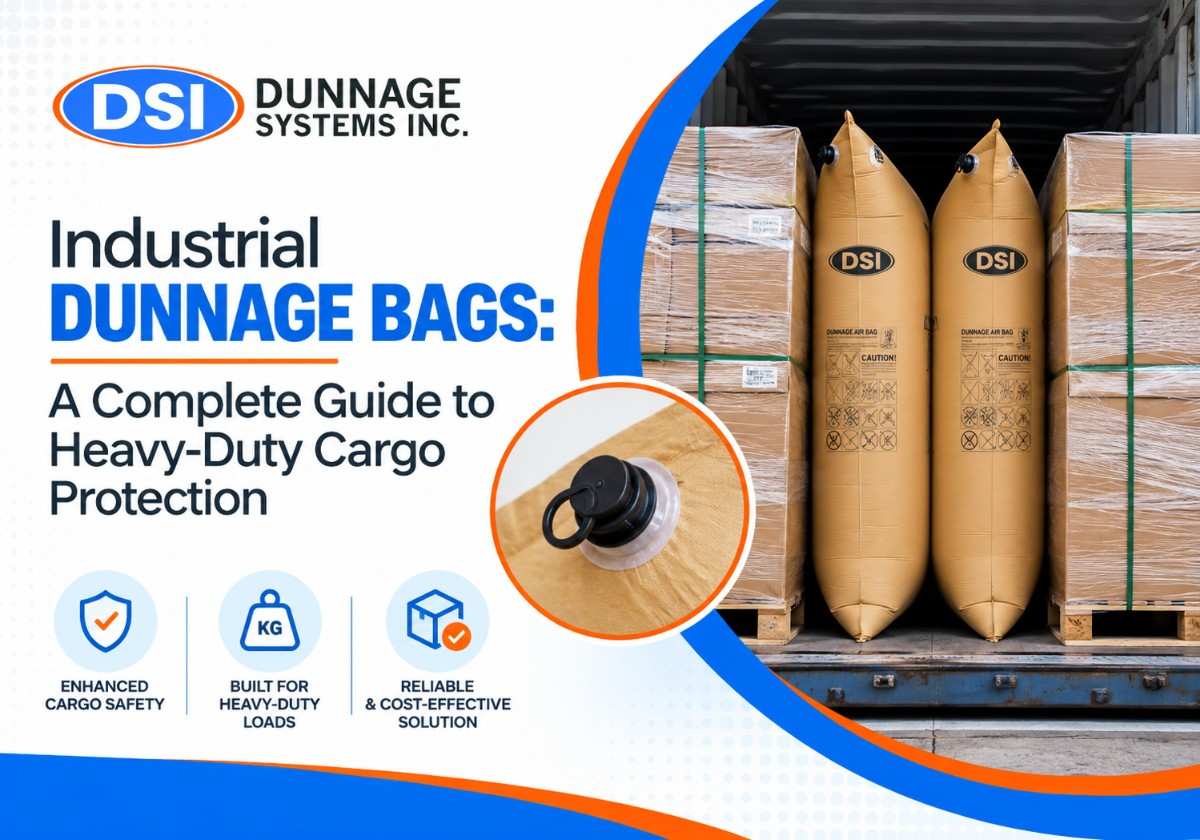
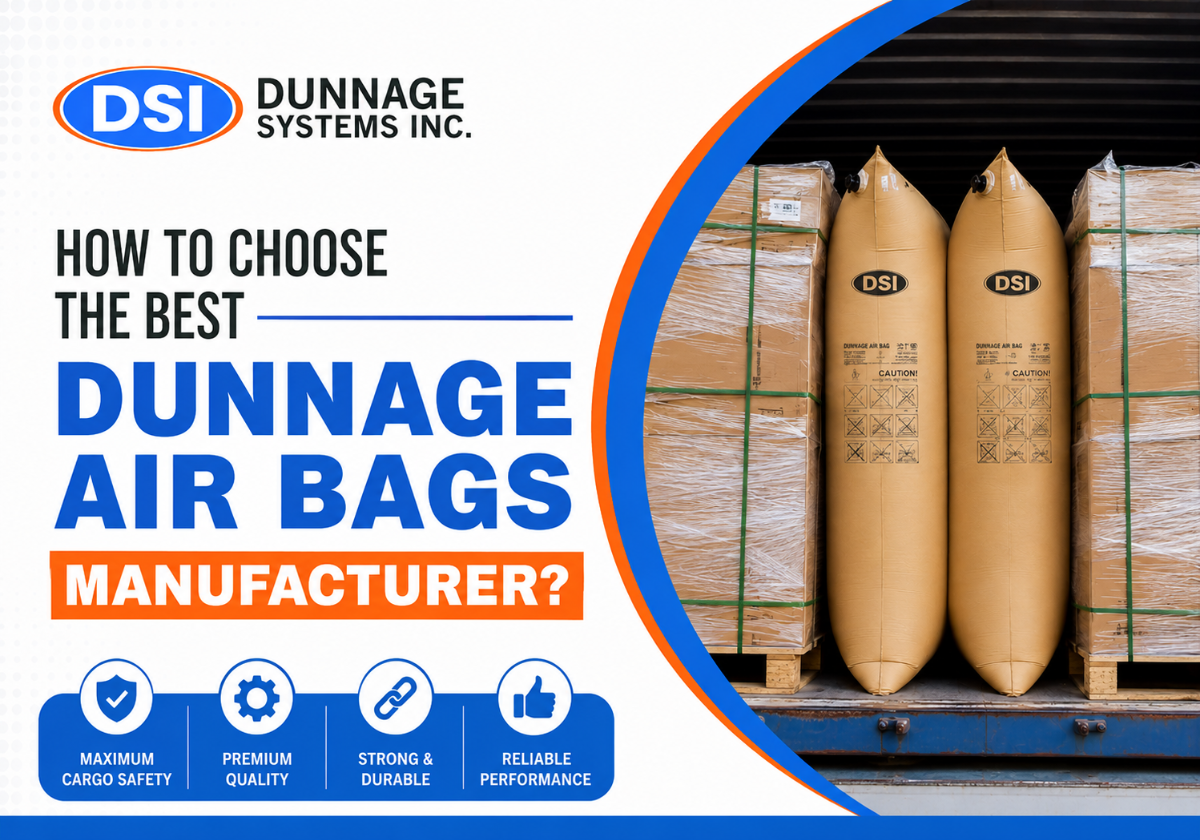
Dunnage air bags are inflatable packaging tools placed in the empty spaces between cargo loads during transportation. Once inflated, they create pressure between the products and the walls of the container or trailer, helping keep everything secure.
These bags are commonly used in:
- Truck transportation
- Shipping containers
- Railcars
- Intermodal freight
- Overseas cargo shipments
The main purpose of dunnage air bags is to prevent cargo from shifting, tipping, vibrating, or colliding during transit.
Why Cargo Shifts During Transportation
Even well-packed products can move during transportation because of:
- Sudden braking
- Sharp turns
- Road vibrations
- Rough weather conditions
- Uneven rail movement
- Container handling at ports
When cargo shifts, businesses may experience:
- Product damage
- Broken packaging
- Customer complaints
- Increased insurance claims
- Delayed deliveries
- Financial losses
Using proper load securement solutions like dunnage air bags significantly reduces these risks.
How Dunnage Air Bags Work
The process is simple but highly effective.
- The dunnage air bag is placed in the void between cargo loads.
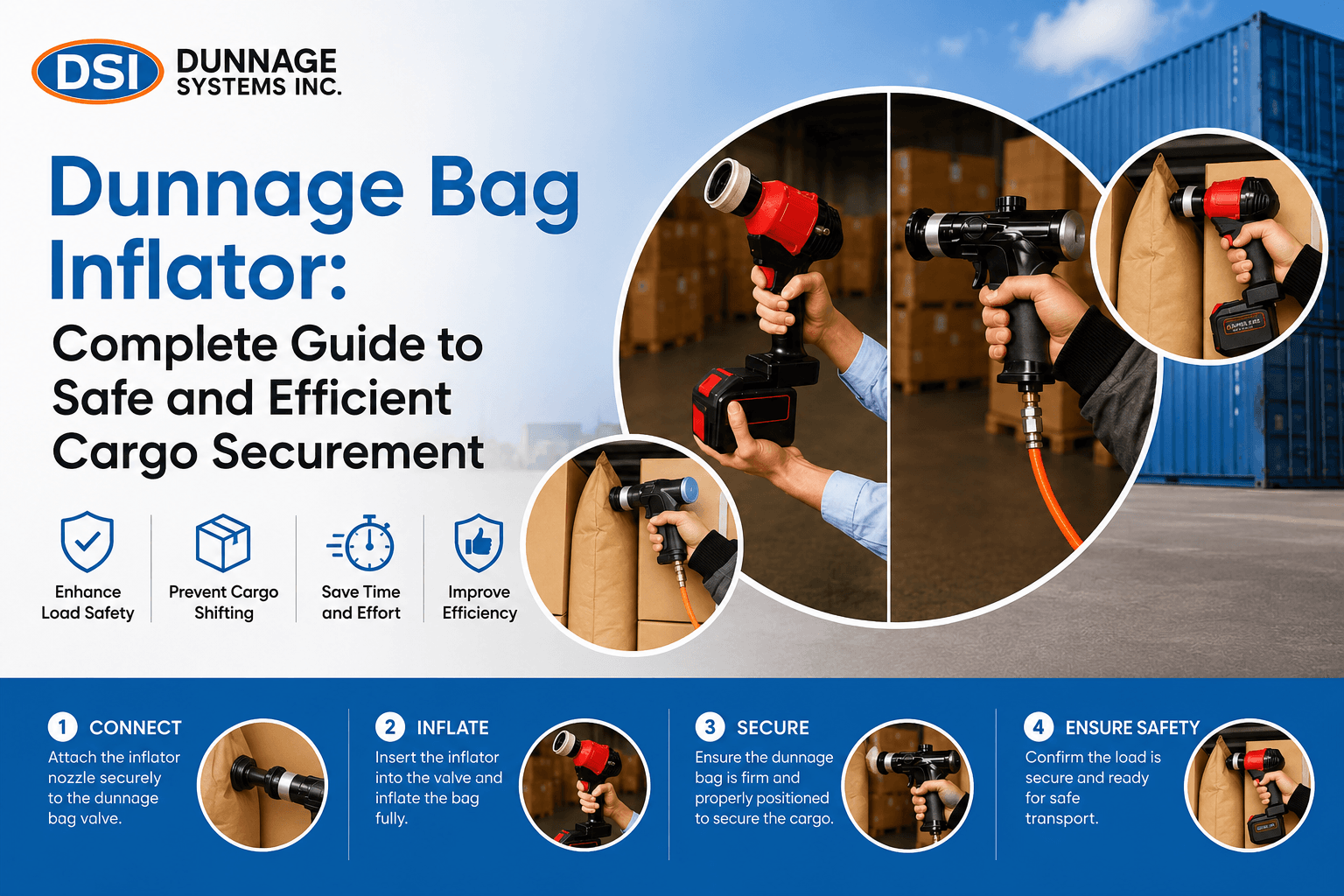
- The bag is inflated using compressed air.
- As it expands, it fills the gap and applies even pressure.
- The cargo becomes stable and resistant to movement.
When properly installed, the air bag absorbs vibrations and prevents load shifting throughout the journey.
Types of Dunnage Air Bags
Different transportation environments require different types of dunnage air bags. Choosing the correct option depends on cargo weight, mode of transportation, and void size.
1. Paper Dunnage Air Bags
Paper dunnage bags are made with kraft paper layers and an inner polyethylene bladder.
Best For:
- Domestic truck shipments
- Light to medium cargo loads
- Dry transportation conditions
Advantages:
- Cost-effective
- Recyclable materials
- Easy to use
- Lightweight
2. Polywoven Dunnage Air Bags
These are made from woven polypropylene material with high durability.
Best For:
- Heavy-duty shipments
- Rail transport
- Ocean containers
- High-pressure applications
Advantages:
- Strong tear resistance
- Moisture resistant
- Reusable in some cases
- Suitable for long-distance shipping
Key Benefits of Using Dunnage Air Bags
Improved Cargo Protection
The biggest advantage is minimizing cargo movement. Properly secured loads are less likely to suffer damage during transit.
Cost Savings
Damaged shipments lead to replacements, returns, insurance claims, and unhappy customers. Dunnage air bags help reduce these avoidable expenses.
Faster Loading Process
Compared to traditional blocking and bracing methods, air bags are faster and easier to install.
Versatile Applications
They can be used across multiple industries, including:
- Automotive
- Food and beverage
- Electronics
- Chemicals
- Consumer goods
- Industrial machinery
Lightweight Solution
Unlike wooden braces or metal restraints, dunnage bags add minimal weight to shipments.
Better Space Utilization
By filling empty spaces efficiently, businesses can optimize container loading.
Industries That Commonly Use Dunnage Air Bags
Manufacturing Industry
Manufacturers often ship heavy machinery, parts, and equipment that require stable transportation.
Food and Beverage Industry
Products such as bottled beverages, packaged foods, and canned goods are vulnerable to shifting during transit.
Automotive Industry
Auto components and spare parts are often transported in bulk and require proper load securement.
Chemical Industry
Chemical drums and containers must remain stable to avoid leakage or safety hazards.
E-Commerce and Retail
High-volume shipping operations rely on cargo protection solutions to minimize damaged deliveries.
How to Choose the Right Dunnage Air Bags
Selecting the correct dunnage air bag is important for safety and performance.
Consider Cargo Weight
Heavy cargo requires stronger bags with higher burst resistance.
Measure Void Space
The bag size should match the gap between cargo loads.
Transportation Mode
Truck, rail, and ocean shipping each involve different stress levels.
Environmental Conditions
For humid or wet conditions, polywoven bags are often a better choice.
Compliance Requirements
Some transportation industries require certified load securement solutions.
Working with experienced dunnage system providers helps ensure the right product selection.
Proper Installation Tips
Even high-quality dunnage air bags can fail if installed incorrectly.
Follow These Best Practices:
- Do not overinflate the bag
- Place the bag at the center of the void
- Use recommended air pressure levels
- Ensure cargo surfaces are stable
- Avoid sharp edges that can puncture the bag
- Inspect bags before use
Proper training improves load safety and maximizes performance.
Common Mistakes to Avoid
Using the Wrong Bag Size
Oversized or undersized bags may not stabilize cargo properly.
Ignoring Load Distribution
Uneven cargo placement reduces the effectiveness of dunnage air bags.
Reusing Damaged Bags
Worn-out bags may burst during transportation.
Improper Inflation
Both underinflation and overinflation can compromise cargo security.
Dunnage Air Bags vs Traditional Load Securement Methods
| Feature | Dunnage Air Bags | Wooden Bracing |
| Installation Speed | Fast | Time-consuming |
| Weight | Lightweight | Heavy |
| Cost Efficiency | High | Moderate |
| Flexibility | Excellent | Limited |
| Cargo Protection | Very Effective | Effective |
| Space Optimization | Better | Limited |
Many businesses now prefer inflatable dunnage systems because they are safer, quicker, and more adaptable.
Sustainability and Eco-Friendly Shipping
Modern businesses are becoming more environmentally conscious. Many dunnage air bag manufacturers now offer recyclable and reusable materials to support sustainable shipping practices.
Benefits include:
- Reduced packaging waste
- Lower environmental impact
- Improved supply chain sustainability
- Compliance with eco-friendly logistics goals
Sustainable cargo protection solutions are increasingly important in global transportation operations.
Why Quality Matters in Dunnage Systems
Not all dunnage air bags offer the same level of reliability. Poor-quality products may leak, burst, or fail during transit.
Reliable dunnage systems should provide:
- Strong material construction
- Consistent pressure retention
- High burst strength
- Industry-standard testing
- Easy inflation systems
- Transportation compliance
Choosing a trusted supplier ensures long-term performance and reduced shipping risks.
The Future of Cargo Securement
As logistics operations continue to grow globally, the demand for safer and more efficient shipping methods is increasing.
Modern dunnage systems are evolving with:
- Advanced material technology
- Stronger pressure resistance
- Faster inflation tools
- Sustainable manufacturing
- Smarter cargo securement solutions
Businesses that invest in reliable cargo protection systems can improve customer satisfaction, reduce losses, and optimize transportation efficiency.
Conclusion
Dunnage air bags have become an essential part of modern cargo securement. They provide an efficient, cost-effective, and reliable way to stabilize loads during transportation while reducing the risk of damage.
From domestic truck shipments to international container transport, these inflatable systems help businesses protect products, reduce operational costs, and improve shipping safety.
Whether you handle lightweight retail products or heavy industrial equipment, choosing the right dunnage air bag solution can make a major difference in your logistics performance.
Protect Your Cargo with Reliable Dunnage Solutions
Looking for dependable cargo protection systems for your shipping operations? Dunnage Systems provides high-quality dunnage air bags and load securement solutions designed for safer transportation and reduced cargo damage. Explore durable and efficient solutions tailored to modern shipping requirements.
Frequently Asked Questions (FAQs)
What are dunnage air bags used for?
Dunnage air bags are used to fill empty spaces between cargo loads to prevent movement and reduce damage during transportation.
Are dunnage air bags reusable?
Some polywoven dunnage air bags can be reused if they remain undamaged after use.
Can dunnage air bags be used for ocean shipping?
Yes. Heavy-duty polywoven dunnage air bags are commonly used for ocean containers and international shipments.
How are dunnage air bags inflated?
They are inflated using compressed air tools specifically designed for quick and controlled inflation.
What industries use dunnage air bags?
Industries such as automotive, food and beverage, manufacturing, chemicals, retail, and logistics commonly use them.
How do I choose the correct dunnage air bag size?
The correct size depends on the cargo weight, transportation method, and the size of the void space between loads.
Are dunnage air bags environmentally friendly?
Many modern dunnage air bags are made from recyclable materials and support sustainable shipping practices.