
Here is something that does not get talked about enough in freight circles. Buying the wrong dunnage bag is almost as bad as not using one at all. Too small and the cargo still shifts. Wrong material for the freight mode and you are looking at a compliance issue. Single-use bags on a route that runs five days a week and your supply costs spiral fast.
Choosing the right dunnage bags is not complicated once you know what to look for. This guide walks you through everything, from material type to AAR ratings to the four questions you need to answer before placing any order.
What Are Dunnage Bags and Why Does the Right Choice Matter?
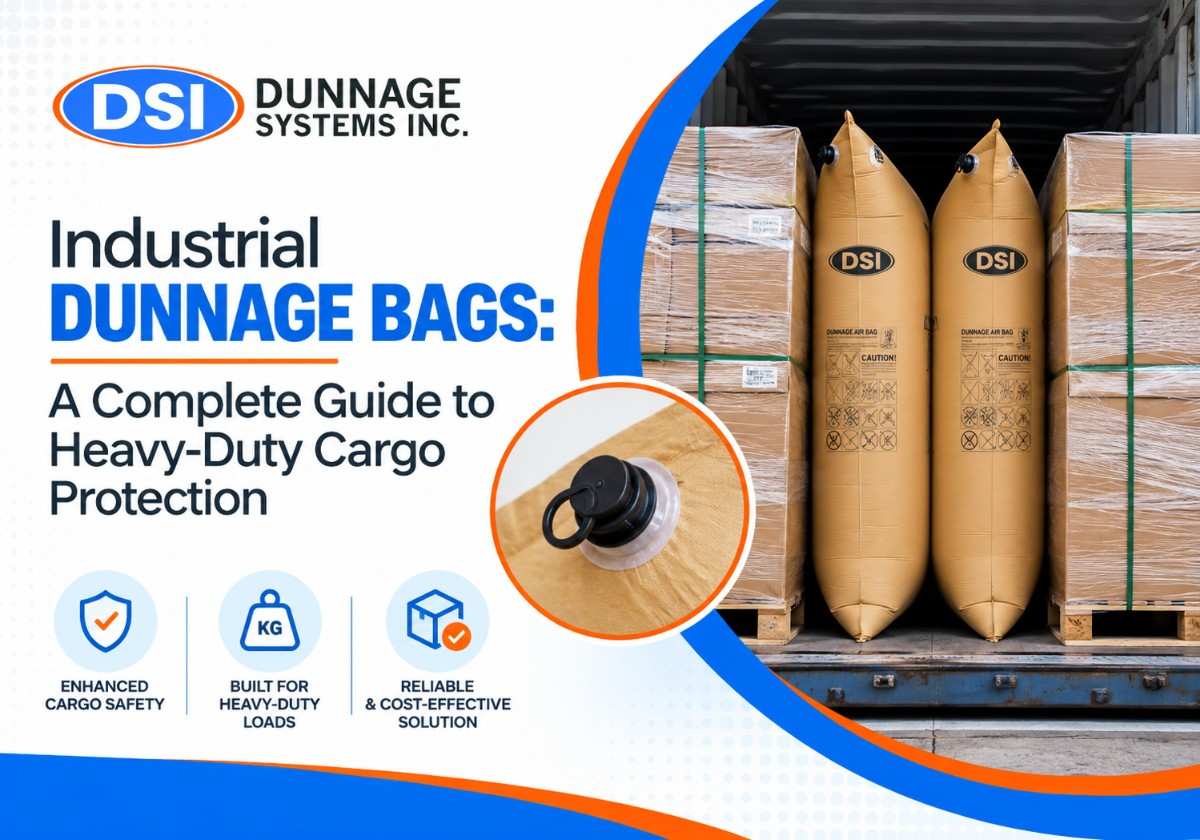
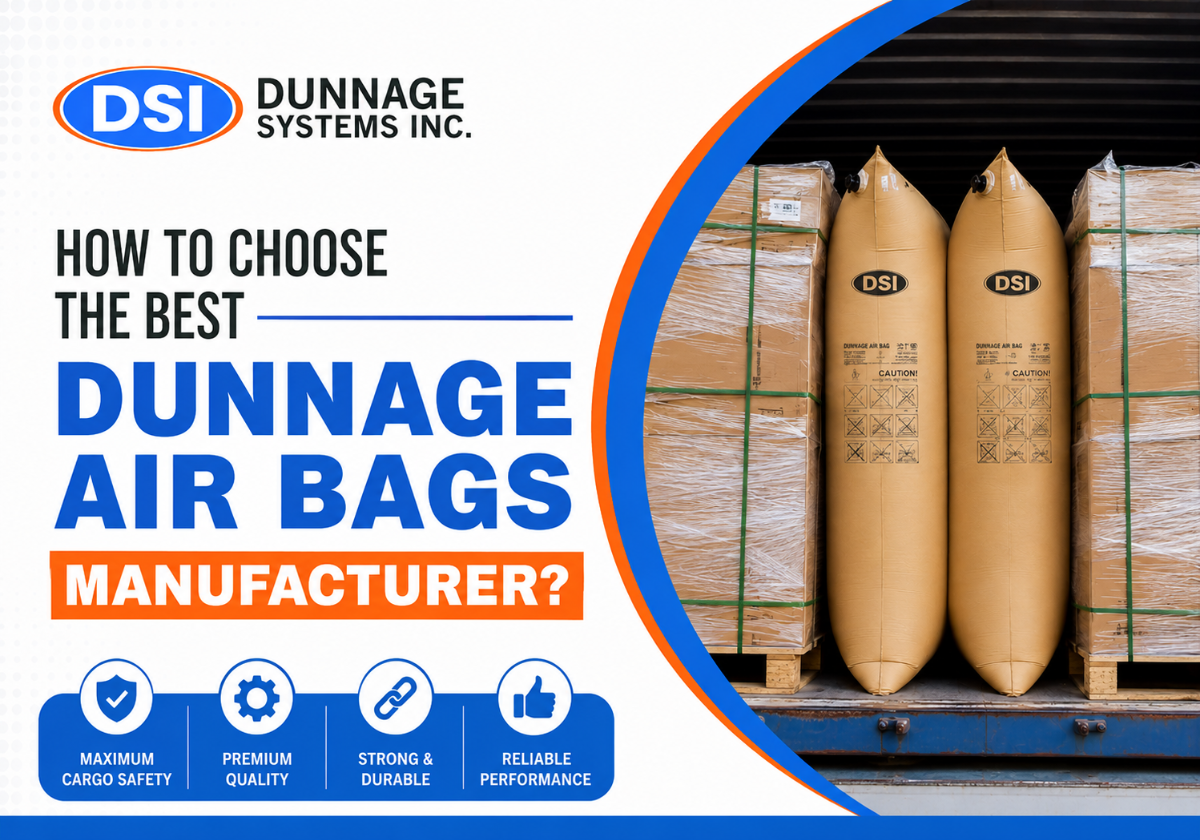
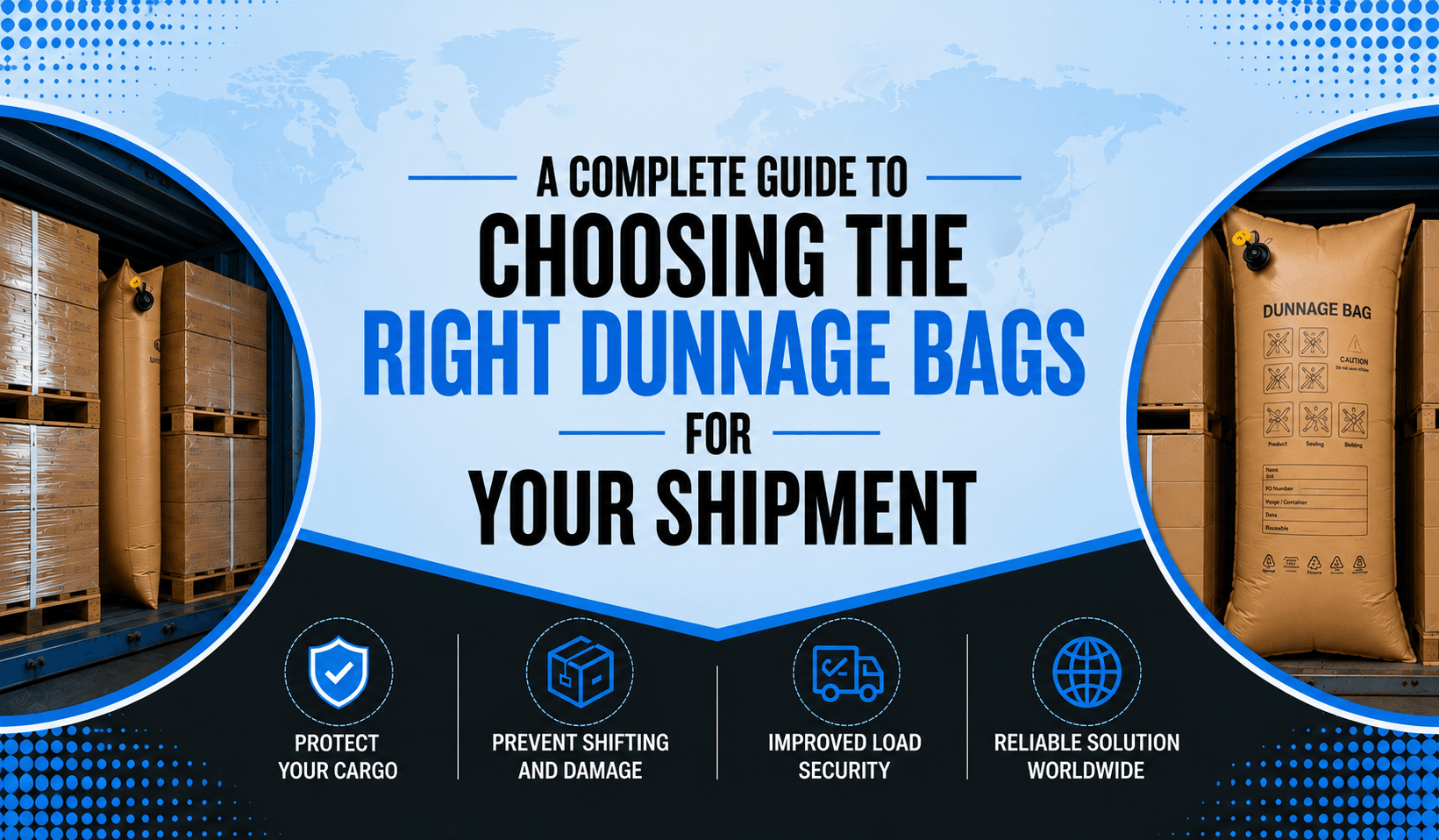
Dunnage bags are inflatable cushions placed in the empty voids between cargo inside trucks, railcars, and shipping containers. Once inflated, they fill that space and stop the freight from shifting during transit. No shifting means no damage. No damage means no claims, no replacement product, and no frustrated customers.
The reason the right choice matters is simple. Dunnage bags are not one-size-fits-all. They come in different materials, sizes, ply ratings, and load levels. A bag that works perfectly for a dry goods truck shipment may be completely wrong for a heavy rail application. Getting that match right from the start saves you time, money, and a lot of headaches down the line.
The Two Main Types of Dunnage Bags
Every dunnage bag decision starts here. There are two core materials, and each one has a clear home.
Kraft Paper Dunnage Bags
Kraft paper dunnage bags are built from multiple layers of high-strength extensible kraft paper with a polyethylene inner bladder that holds the air. They are lightweight, cost-effective, and straightforward to use.
- Available in 2-ply through 8-ply constructions
- Higher ply count means greater strength for heavier loads and larger voids
- 6-ply and 8-ply options include a polyethylene outer coating for added durability
- Fully recyclable after use
- Best for single-use, high-volume operations where cost per shipment is the priority
Strong fit for: food and beverage, consumer goods, electronics, and general freight truck shipments.
Polywoven Dunnage Bags
Polywoven dunnage bags are made from woven polypropylene fabric with an inner air bladder. They are tougher, moisture-resistant, and built to be reused across multiple shipment cycles.
- Rated from Level 0 through Level 5 based on load force capacity
- Moisture-resistant and far more durable than kraft paper in wet or humid conditions
- Reusable across multiple shipment cycles, which brings the per-use cost down significantly
- Built for rail, intermodal, and ocean container shipping
If your operation runs the same lanes repeatedly and your freight is heavy, industrial, or rail-bound, polywoven is the right material. The higher upfront cost comes back quickly when you are reusing the same bags across dozens of shipments.
How to Choose the Right Dunnage Bag: 4 Things to Consider
Most buying mistakes come down to skipping one of these four steps. Work through them in order and the right bag becomes obvious.
1. Void Size
This is the starting point. Measure the gap between your cargo and the trailer wall, bulkhead, or adjacent load. That measurement tells you what size bag you need.
An undersized bag will not fill the void completely, which means the cargo can still move. An oversized bag may not fit or could put unnecessary pressure on the load. Get the measurement right before anything else.
If you are working with irregular voids or unusually large gaps, Dunnage Systems Inc. offers custom sizing to match exactly what your load requires.
2. Freight Mode
How the freight moves determines what the bag needs to handle. Here is a quick breakdown:
- Truck: Most kraft paper and polywoven bags work well here depending on load weight and void size
- Rail: AAR-certified dunnage bags are required by the Association of American Railroads. Non-certified products are a compliance risk and can void damage claims
- Intermodal and ocean container: Polywoven bags are the preferred choice due to their moisture resistance and durability across longer transit times
Always confirm the freight mode before selecting the bag. It is one of the most common places buyers get tripped up.
3. Load Weight and Cargo Type
A pallet of bottled water and a pallet of steel components are not the same problem. Load weight directly affects which bag level or ply rating you need.
- Light, fragile cargo (electronics, glass, pharmaceuticals): needs cushioning and stabilization without excessive pressure
- Medium-weight cargo (packaged food, consumer goods): standard kraft or Level 1 to Level 2 polywoven works well
- Heavy industrial cargo (automotive parts, machinery, metals): calls for higher ply kraft or Level 3 and above polywoven
When in doubt, go one level up. The cost difference is small. The cost of a shifted load is not.
4. Single Use vs Reusable
This one comes down to volume and route frequency.
- High volume, varied destinations: kraft paper single-use bags are the economical choice. They do the job, recycle clean, and keep per-unit cost low
- Consistent, repeat lanes: polywoven reusable bags will save you significantly over time. A bag that costs more upfront but gets used 20 times costs a fraction of replacing single-use bags every shipment
Dunnage Bag Levels Explained
This is the part most buyers skip, and it is where a lot of wrong purchases happen.
For polywoven dunnage bags, the AAR level rating indicates how much lateral load force the bag is certified to withstand:
- Level 1: Lightest duty, suitable for smaller voids and lighter loads
- Level 2: Mid-range, good for standard truck and intermodal applications
- Level 3: Heavier loads, commonly used in rail and intermodal shipping
- Level 4 and 5: Heaviest duty, designed for large voids and heavy industrial freight in demanding transport conditions
For kraft paper dunnage bags, the ply count is your guide:
- 2-ply to 4-ply: Lighter loads and smaller voids
- 6-ply to 8-ply: Heavier loads, wider gaps, and more demanding applications
If you are unsure which level or ply fits your load profile, the team at Dunnage Systems Inc. will walk you through it before you order.
Common Mistakes People Make When Buying Dunnage Bags
These come up more often than you would think.
- Buying based on price alone: A cheaper bag that is the wrong size or wrong level does not protect anything. It just costs less to fail
- Ignoring the freight mode: Kraft paper bags in a rail application without AAR certification is a compliance issue waiting to happen. Always check what the freight mode requires before selecting the material
- Sticking with single-use bags out of habit: If your lanes are consistent, run the math on polywoven. The savings are usually significant enough to justify the switch within a few months
Why Buy Dunnage Bags from Dunnage Systems Inc.?
Dunnage Systems Inc. has been in the cargo protection business since 1992. That is more than 30 years of helping shippers across every industry and every freight mode find the right solution for their load.
Here is what you get when you order from them:
- Kraft paper and polywoven dunnage bags in custom sizes, pallet quantities, and truckload volumes
- Direct supplier pricing with no distributor markup
- AAR-certified products for full rail compliance
- Free specification support to help you pick the right bag before you order
- Same-day quote response
Whether you are setting up a new operation, switching from wood bracing, or just trying to reduce damage claims on a lane that has been costing you money, they will figure out the right bag for your load before you spend a dollar.
The Bottom Line
Choosing the right dunnage bags comes down to four things: void size, freight mode, load weight, and how often the bags will be reused. Get those four right and the rest of the decision is straightforward.
Dunnage Systems Inc. supplies kraft paper and polywoven dunnage bags across all 50 states, with free specification support, custom sizing, and same-day quote response included. Call (870) 942-4830 or visit dunnagesystems.com to get started.
Frequently Asked Questions
What is the difference between kraft paper and polywoven dunnage bags?
Kraft paper dunnage bags are single-use, recyclable, and cost-effective for high-volume truck shipments. Polywoven dunnage bags are reusable, moisture-resistant, and built for heavier loads in rail, intermodal, and container applications. The right choice depends on your freight mode, load weight, and how often the bags will be reused.
What size dunnage bag do I need?
The right size depends on the void dimension between your cargo and the trailer wall or adjacent load. Measure the gap before ordering. Dunnage Systems Inc. also offers custom sizing for non-standard voids.
Do dunnage bags need to be AAR certified for rail shipments?
Yes. The Association of American Railroads requires AAR-certified dunnage bags for load securement in railcar applications. Using non-certified products puts you at compliance risk and can void damage claims. Dunnage Systems Inc. supplies AAR-certified options in both kraft paper and polywoven.
How many times can polywoven dunnage bags be reused?
Polywoven dunnage bags are designed for multiple inflation cycles. The exact number depends on how the bags are handled and stored between shipments. With proper care, they can be reused across many shipments before replacement is needed.
Where can I buy dunnage bags in bulk?
Dunnage Systems Inc. supplies dunnage bags in pallet and truckload quantities across all 50 states. Volume pricing is available and confirmed at the time of quote. Visit dunnagesystems.com or call (870) 942-4830 for a same-day response.